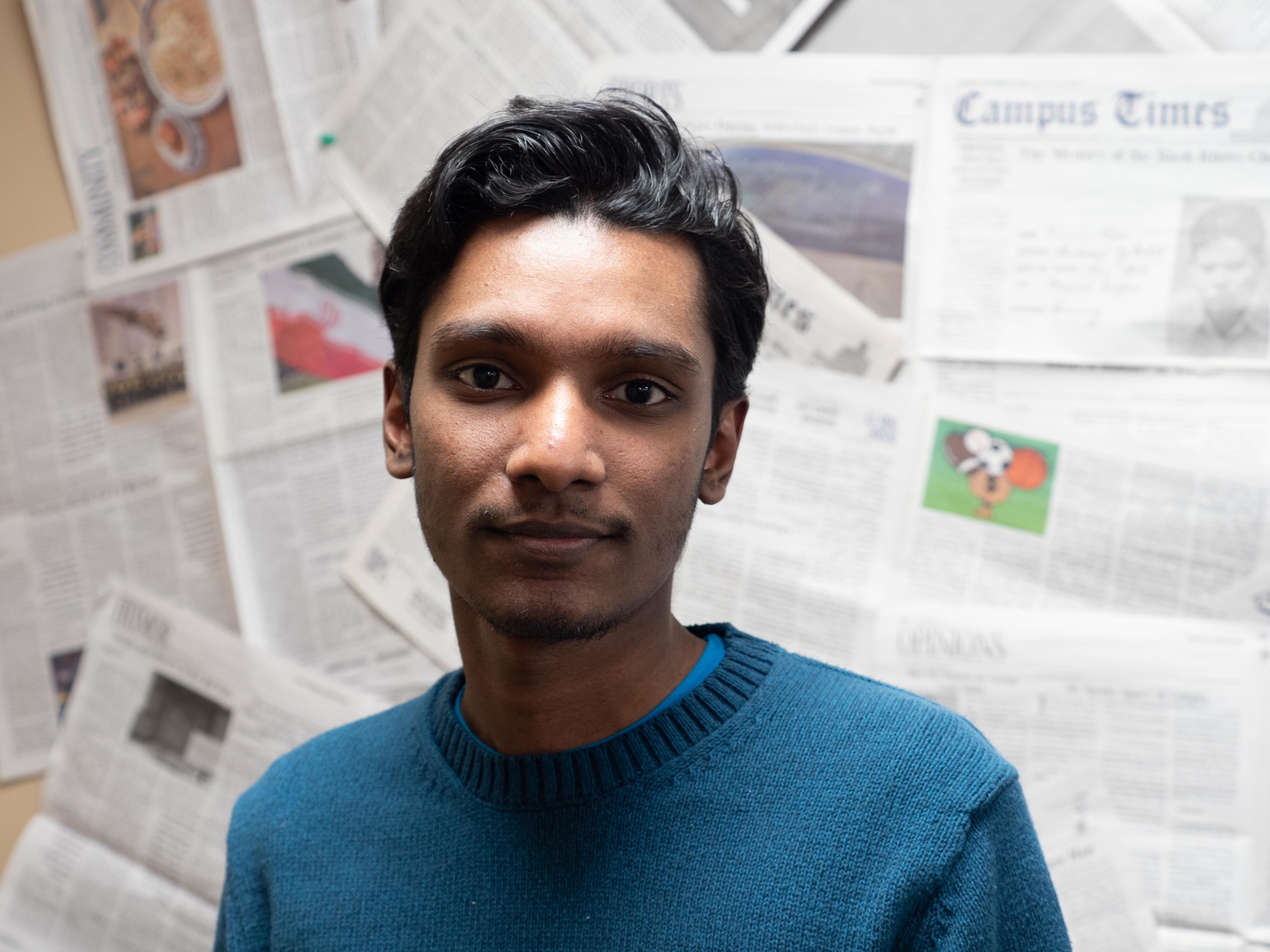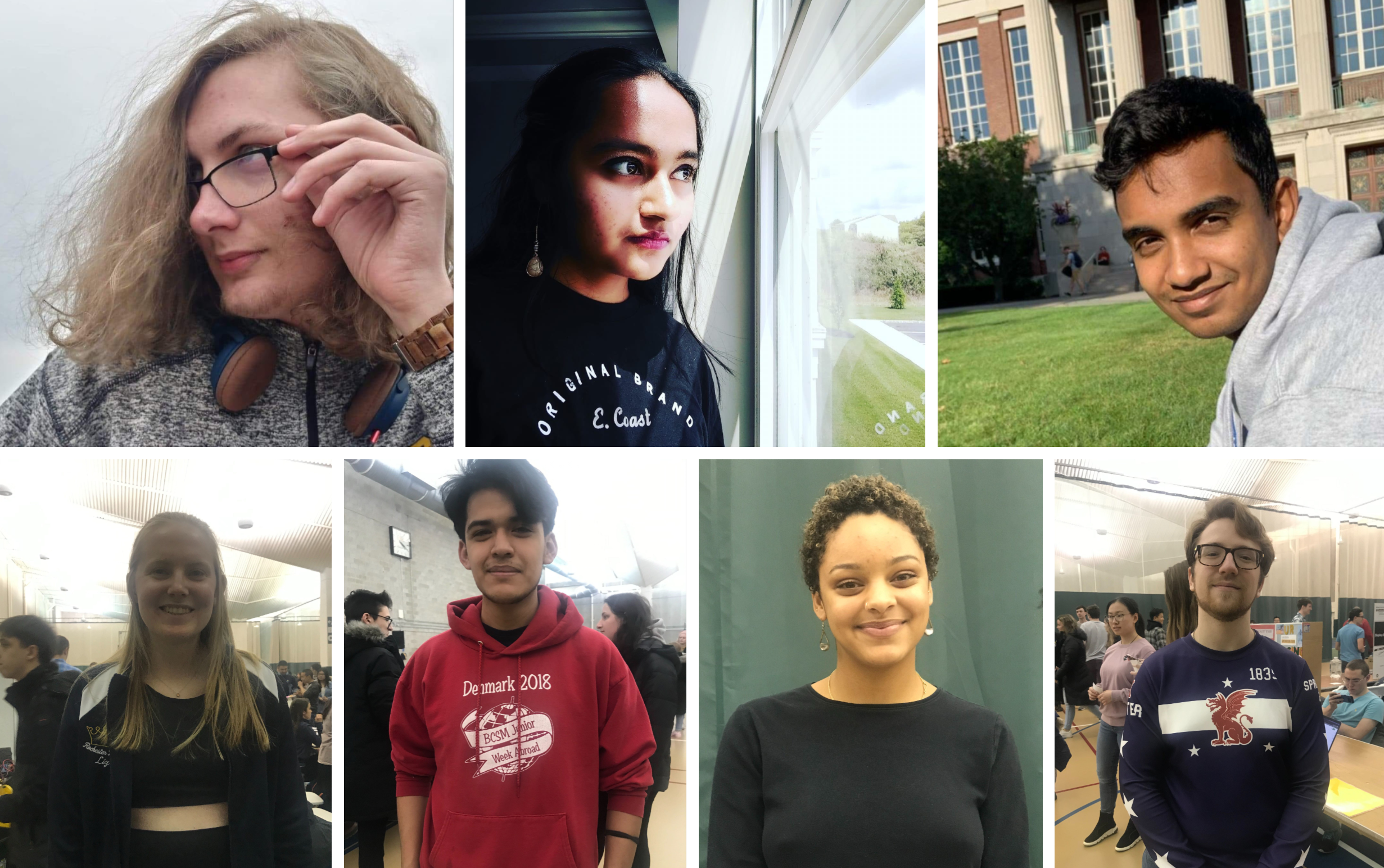
The New Year brings with it a great opportunity to get inspired and set new goals. So we went around asking students about their New Year’s resolutions.
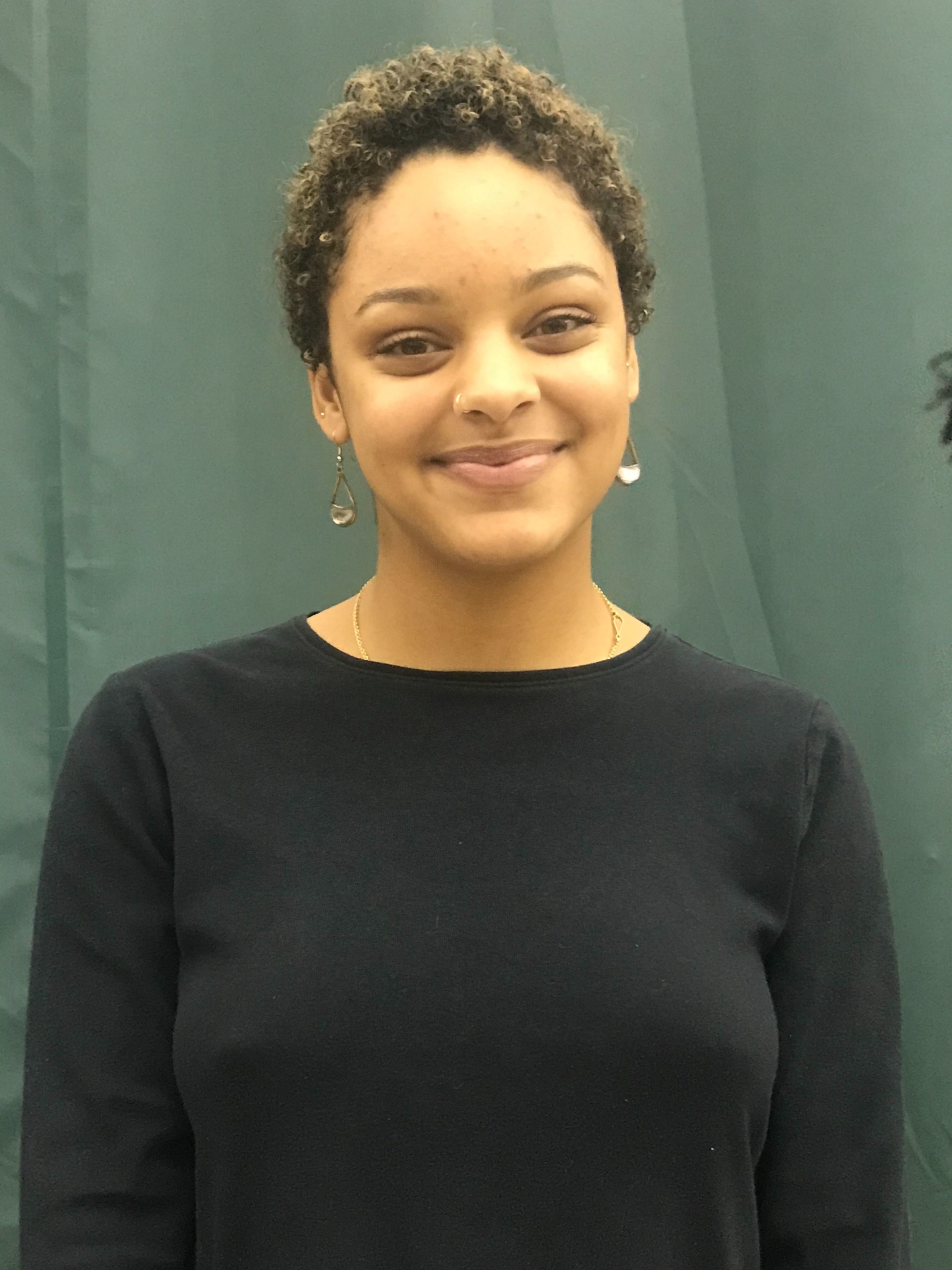 Amina N’Gambwa (junior): “I have two New Year’s resolutions. The first one is to read more for fun. So not just school work, but regular books that I like. And the other one is to reach out to my family more than I did in the last year.”
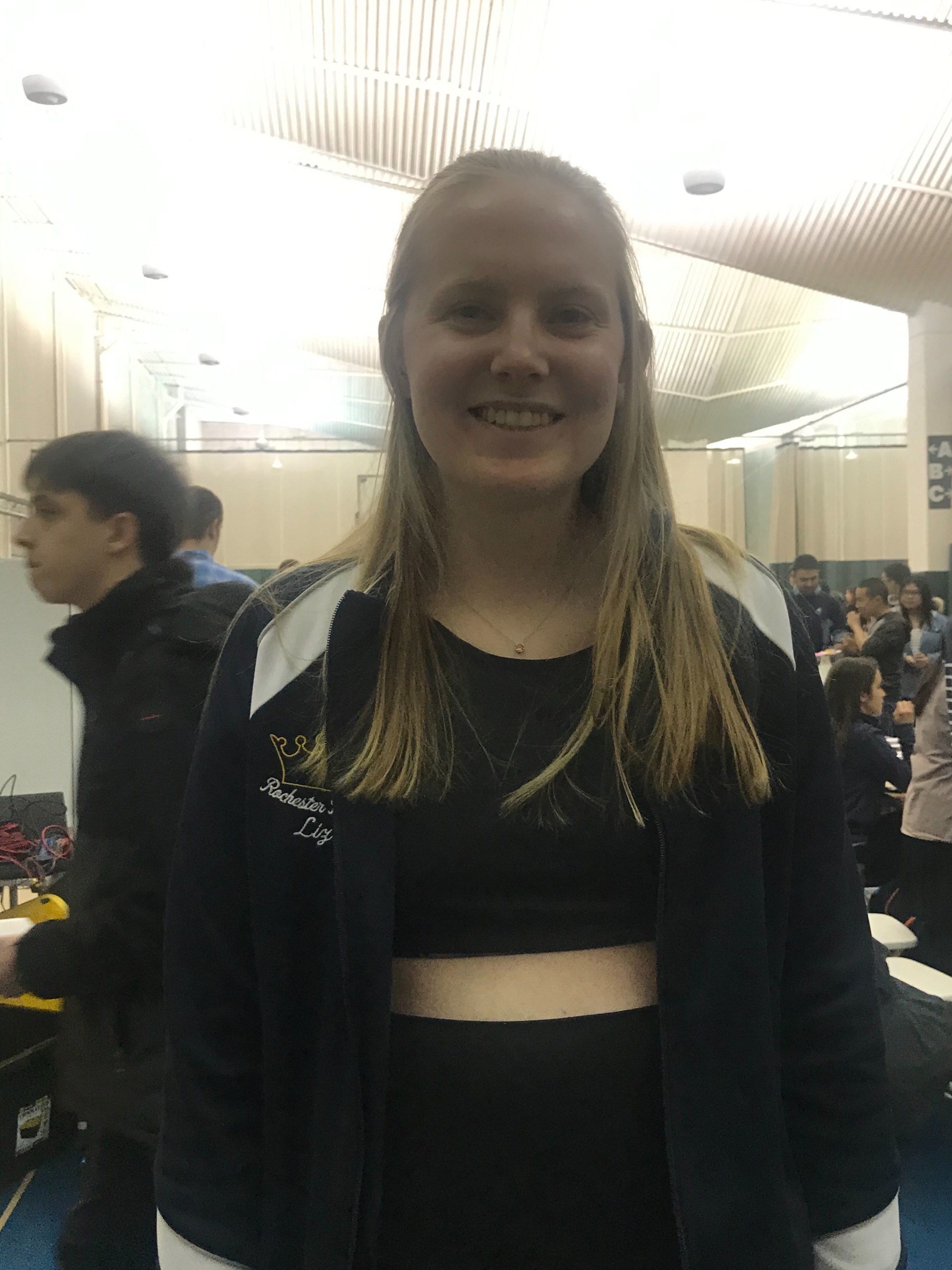
Elizabeth Yarnall (sophomore): “I wanna go to [rowing] practice more often, keep working out, staying active, even though it’s not required.”
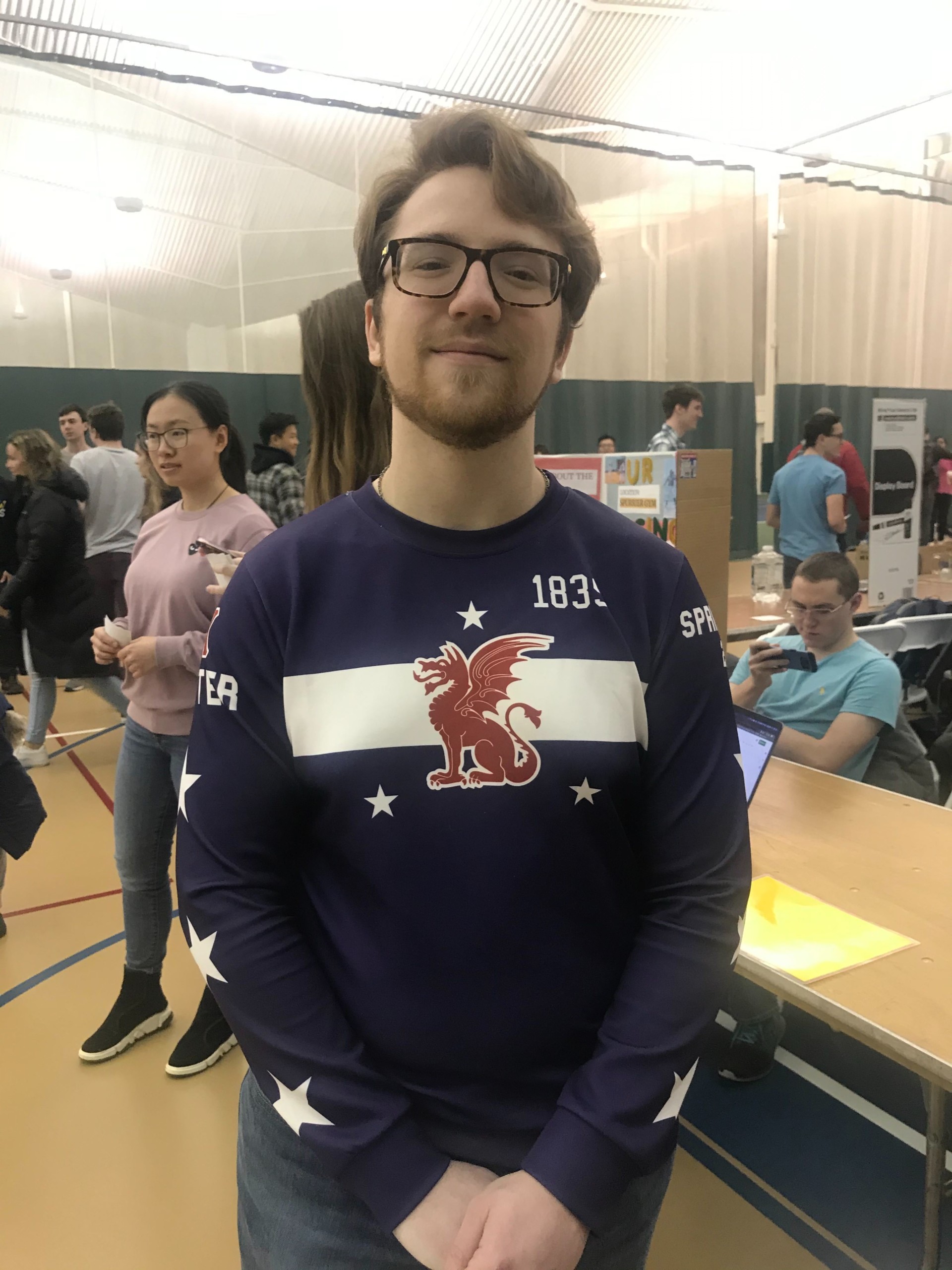
Nicholas Pascucci (junior): “Just to be better to people, I think. Make more friends, do more of the activities that I love.”
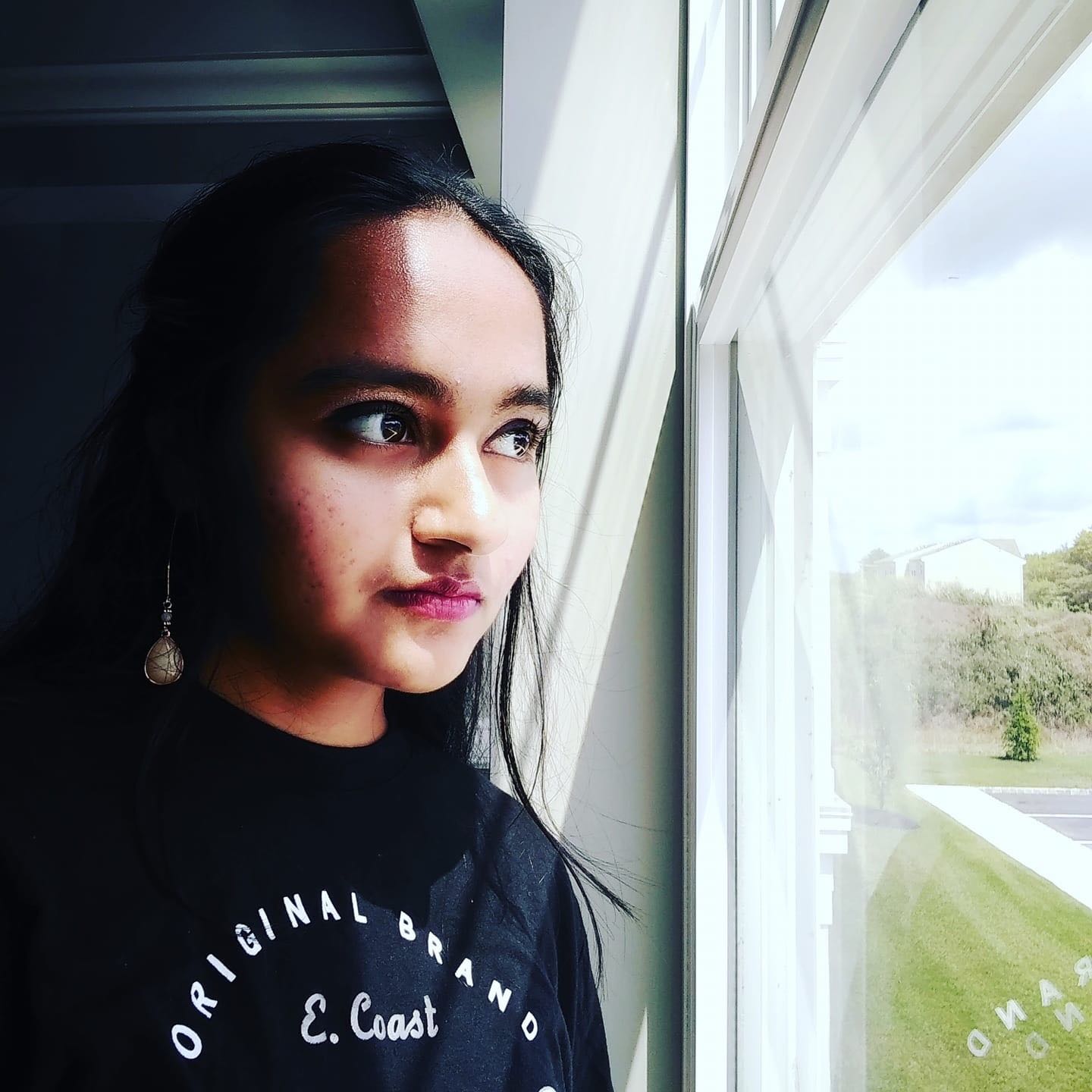
Pariti Sutaria (first-year): “I don’t have any.”
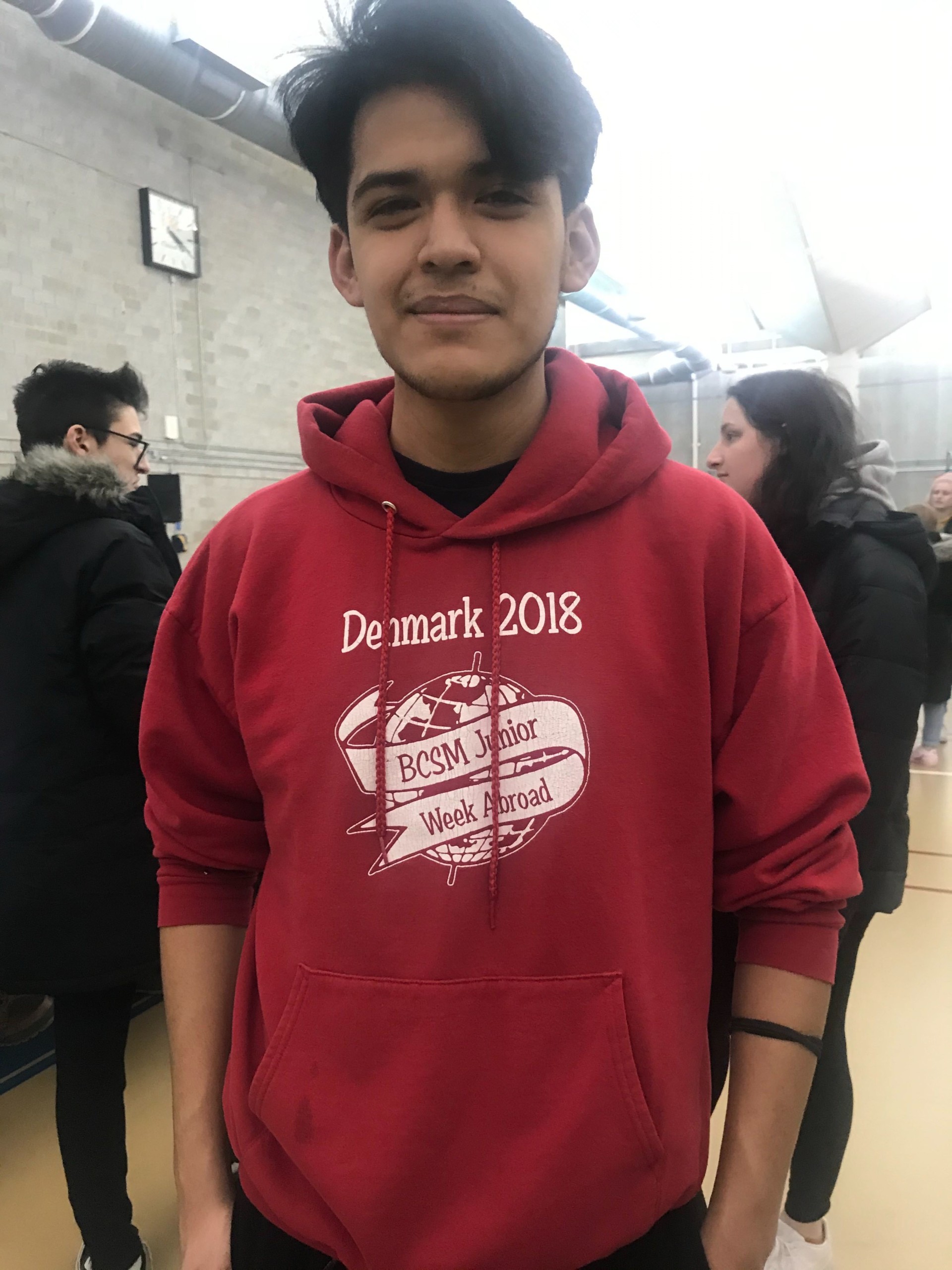
José Castillo (first-year): “Actually go to the gym, find a club to actually join, and commit to it.”
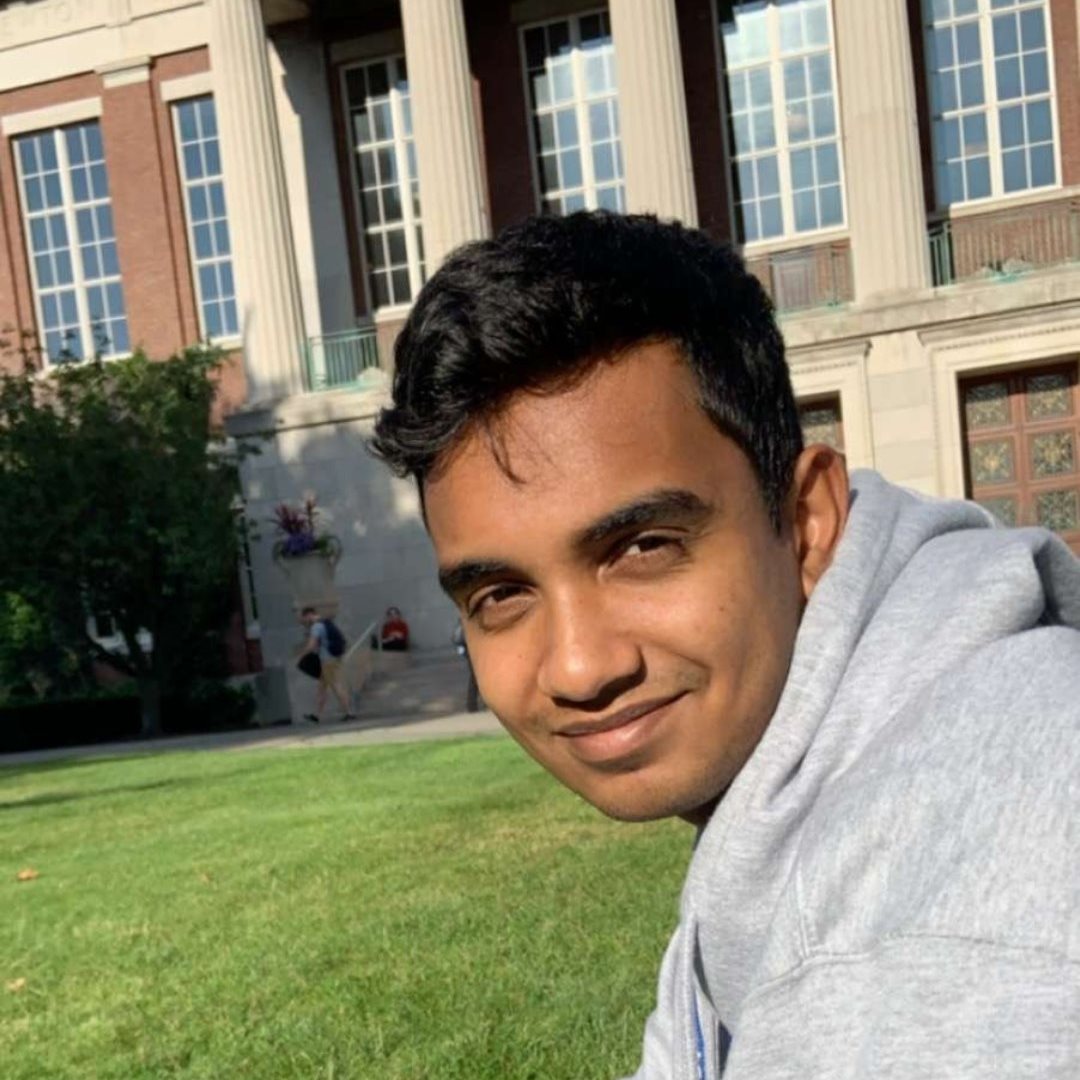
Amish Fakun (first-year): “My New Year’s resolution is to tackle one of my biggest fears: learning how to dance. I plan to be more involved in dance groups on campus, especially UR Salseros.”
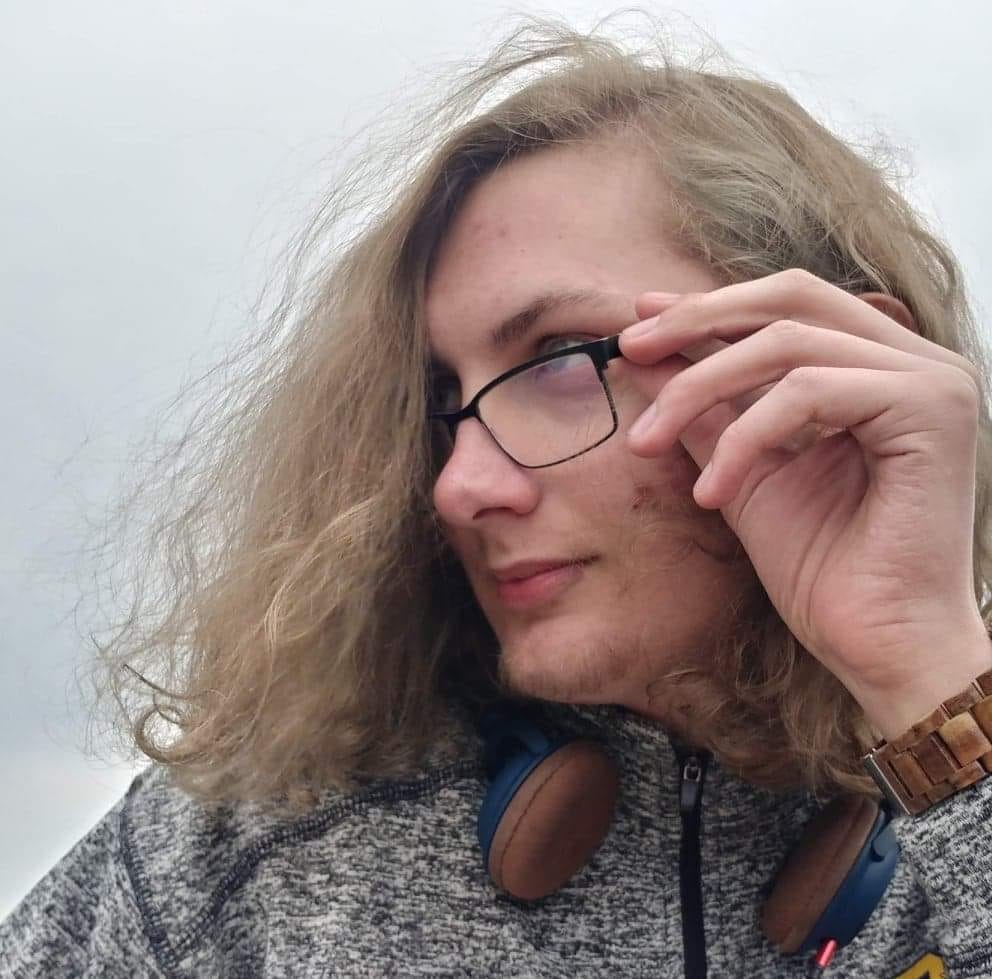 Ryan Mournighan (sophomore): “I’d say my resolution is to live a year of unapologetic happiness.”