The Creative Arts Club makes a yearly trip to the Corning Museum of Glass, where visitors can participate in artistic activities such as flower making and sandblasting.
Standing outside of the museum for the first time can be overwhelming. It’s huge. The inside of the museum offers quite the opposite feeling: an atmosphere both relaxing and awe-inspiring. The Corning Museum gave me the traditional museum-tour vibe, but also allowed us to experience the process of making glass projects and to catch a glimpse of how the glass artists created the works.
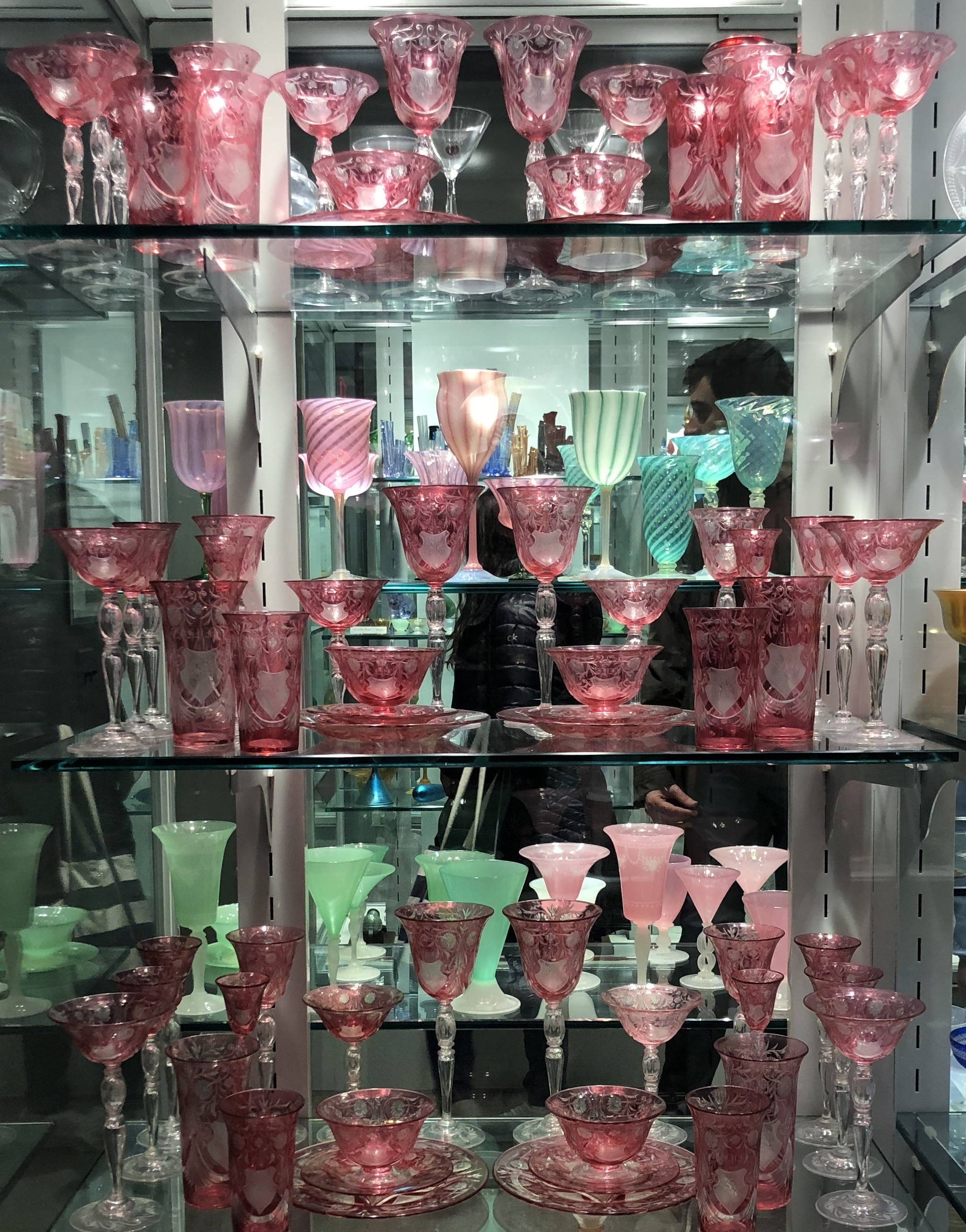
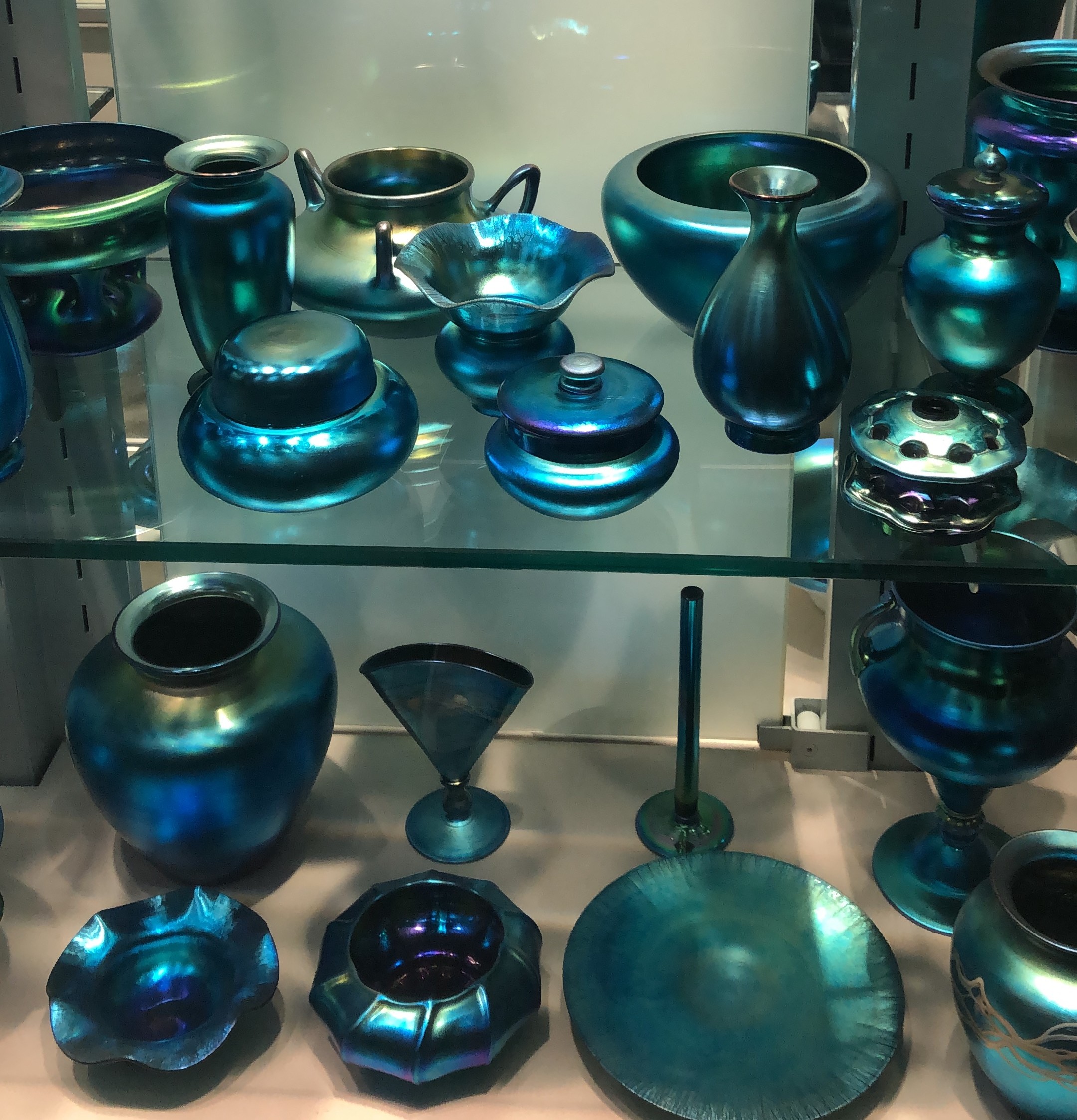
When first entering the museum, I immediately encountered the delicate glass gift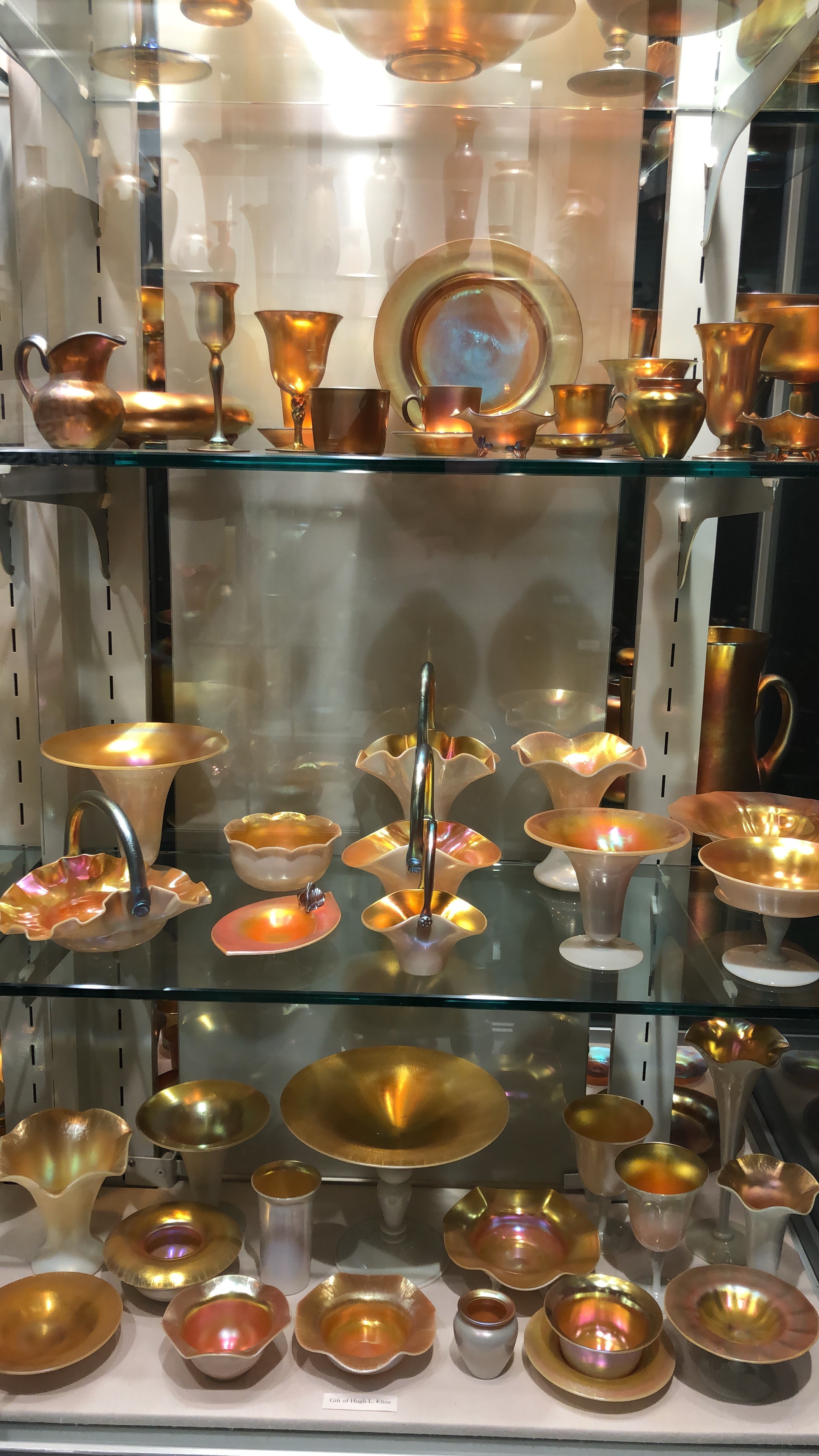 shop, surrounded by glass animals, beautiful garden decorations, locally made jewelry, and other stunning yet fragile glass goods.
The glass studio is the most exciting part of the museum. There, the glass is melted, made, and shaped. After entering the studio, we were ushered into a room filled with bright colors, tables, and short chairs.
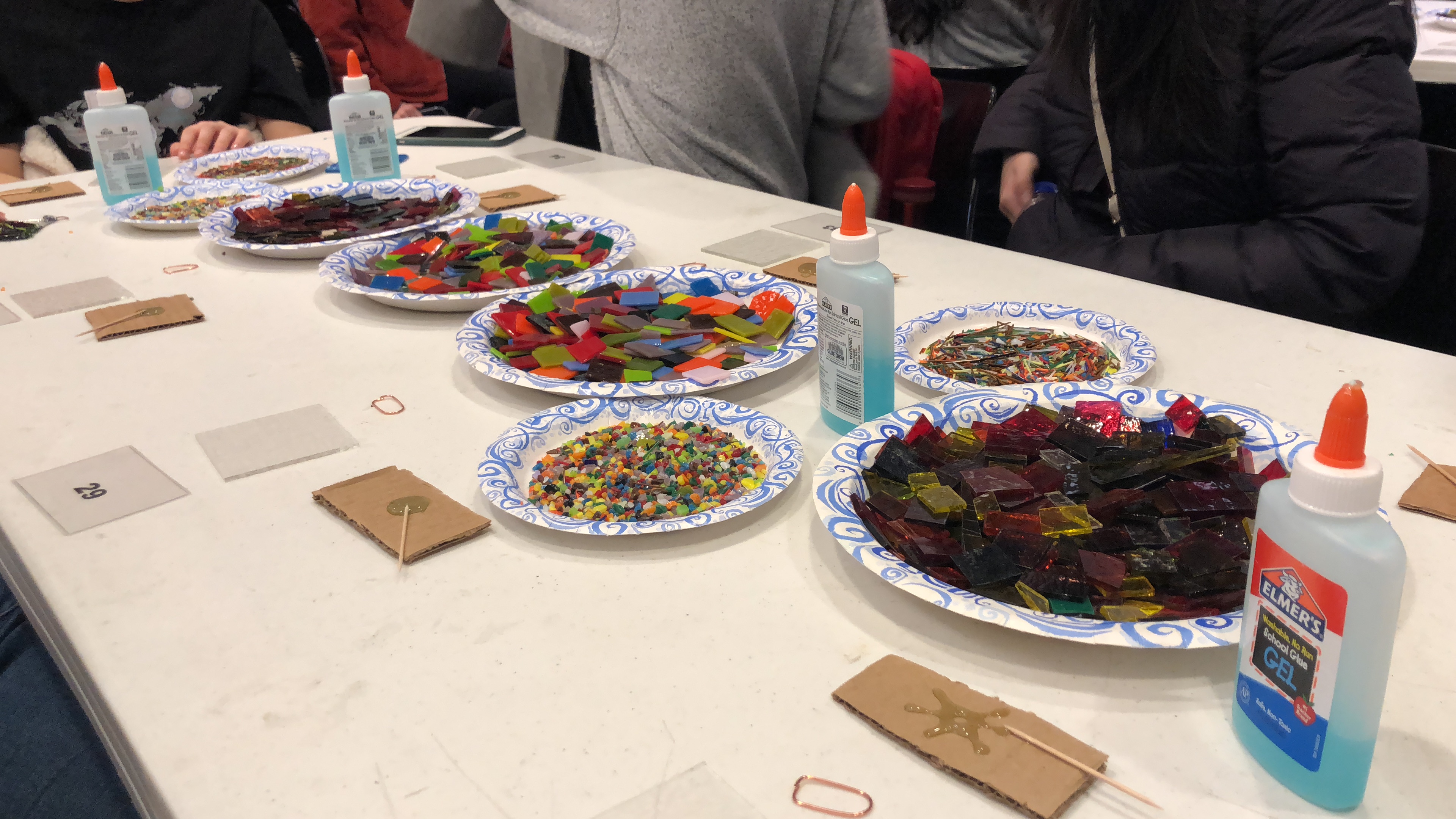
The suncatcher station provided a free space for imagination and creativity. We were given a square piece of clear glass, then transparent and opaque squares of glass and glue. Although everyone began with the same materials, every single participant ended up with unique designs. Many of the final products included nature-related themes: flowers, suns, and animals. Once we finished creating the pieces and gluing all the glass to the bigger clear piece, the mentors in the room set aside the creations to be baked and later sent to us.
Then came the sandblasting station, where we were provided with dozens of stickers and small glass cups. The mentor, Piper, explained that the objective of sandblasting is to etch a design into the cups by placing the stickers on them. The stickers would protect the glass from being blasted in that area, leaving the area underneath clear.
In groups of five, we were taken to the back room to use the sandblasting machine. The mentor at this stage, Eric, put his hands into two gloves that poked into the machine and rotated the cups as the sand began to eat away at the clear glass.
The glassblowing studio hit us with a sensation unexpected in the frosty Rochester winter — intense heat from a 2,230 degree furnace. This studio is one of the most informative yet entertaining stations. The mentors explained the different designs that we could apply to our own glass flowers and presented an example to demonstrate. We were required to wear sleeves that covered our arms, gloves, and safety goggles.
We started by shaping the glass into an even bulb. This was the foundation from which the flowers would grow. Then, the mentors added more glass, dipped the hot glass into buckets of colorful shards, and put us to work. We flattened the glass to achieve the shape of the flower and crimped it using various tools to help form the petals.
The studios and glass works displayed in the Corning Museum of Glass were ornate, and it was a privilege to experience and take part in their creation firsthand.