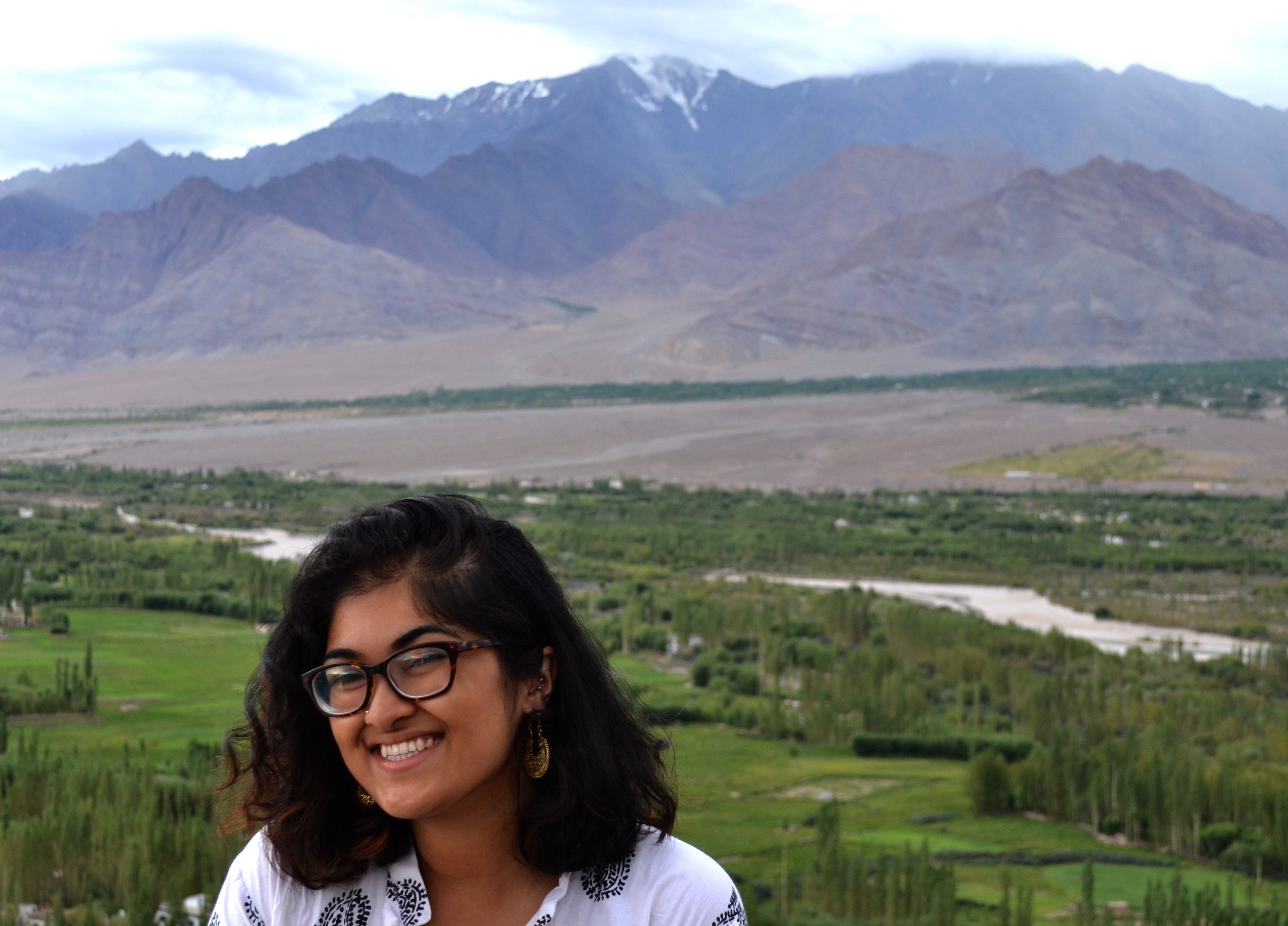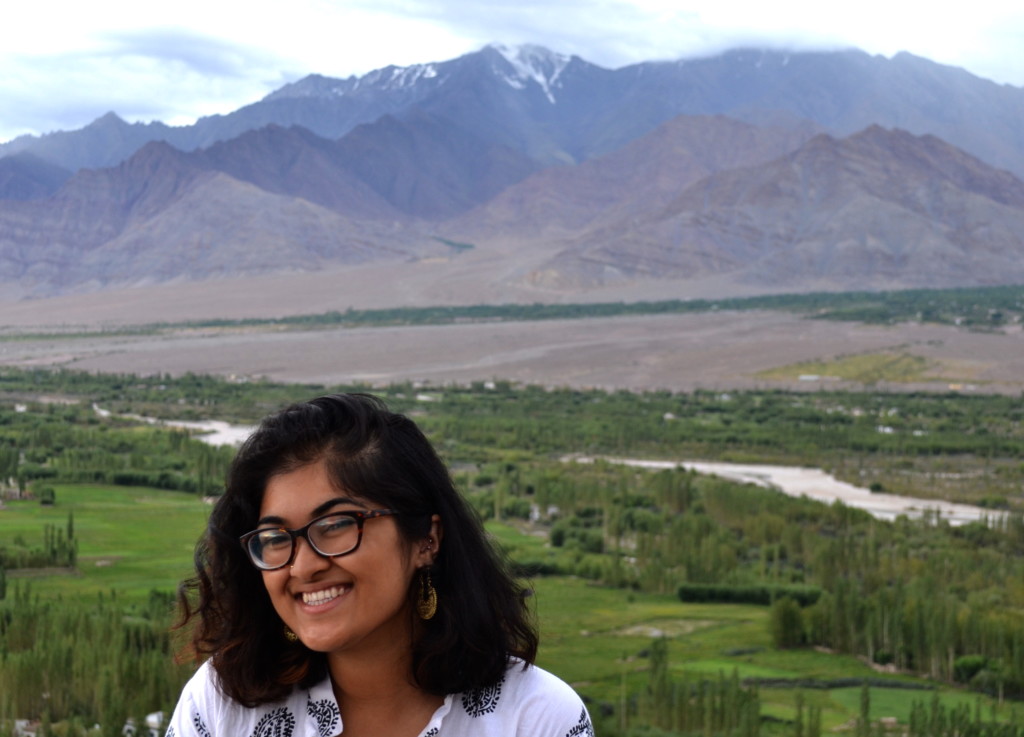
The ultimate impact of research is often difficult to predict, and our purpose for doing it can get lost in translation. However, community-engaged research can have societal benefits almost immediately. This summer, Angela Benson pursued research in Ladakh, India with the aim of improving the lives of Ladakhis.
Ladakh is a mountain region in the Indian state of Jammu and Kashmir. As a mountainous desert region and popular tourist destination, Ladakh is bombarded with litter, pollution, susceptibility to climate change, and depletion of resources. In 2010, flash floods swept away buildings, animals, and people, leaving the region in social and physical shambles.
Angela Benson, a senior at UR, reached out to Dr. Nancy Chin to get involved in a community-engaged research project in Ladakh.
The Ladakh Project is an anthropological public health project which aims to study how Ladakhis use their strengths as a community to rebuild and adapt in the face of climate change, tourism, and globalization. Another part of the project is collecting oral accounts of climate change in Ladakh. “The project is unique in its interdisciplinary and community-engaged nature,” Benson said.
Last semester, Benson spent two months in Kerala, South India, doing anthropological research on caste in Christian churches. Learning and practicing similar research methodologies in India prepared her to contribute to The Ladakh Project. However, the research in Ladakh was multifaceted and multidisciplinary, exploring topics such as gendered experiences of climate change and emotional trauma of globalization. Pursuing these aims required the combined skill set of a larger team.
Benson, along with graduate and undergraduate students and the professors they worked with, Tanya Bakhmetyeva, Stewart Weaver, and Nancy Chin, pooled extensive knowledge in a range of fields. The project employed expertise in gender, sexuality, and women’s studies, history, public health, anthropology, psychology, and environmental science.
Still, the researchers constantly conferred with local scholars for their guidance and expertise, and partnered with local institutions such as the Central Institute of Buddhist Studies (CIBS) and the Himalayan Cultural Heritage Foundation (HCHF). “Everyone was aware that the Ladakhis were the experts of their own community, and that they should direct the focus of our research,” Benson said. “Members of the community are actively involved and actually benefit from the work that researchers do.”
Benson, a double-major in anthropology and public health, assisted in the mental health project. She helped administer ethnographic interviews, alternating as interviewer and transcriber. Benson spoke with focus groups of professors, journalists, farmers, monks, nuns, and other members of the Ladakh community to collect oral histories: local perspectives on the dilemmas facing Ladakh. “The training I received in my anthropology and public health classes really prepared me to be a productive and supportive team member,” Benson said.
Though the team has four more years of data analysis ahead, preliminary results show an apparent impact of social and global issues on Ladakhi mental health. “Issues like caste, regionalism, and the competition that comes with globalization might lead to deleterious effects on mental well-being,” Benson said. “We’re hoping that by the end of this study, we can compile enough data to help create interventions, or inform policies that truly benefit and improve the well-being of Ladakhi people,” Benson said.
“Climate change is real, and just because we might not see its effects here in America, it doesn’t mean other people aren’t experiencing them in ways that are profoundly life changing,” Benson said. “We need to take action, not only as individuals, but as a collective society. It’s not enough for every person on the planet to stop using plastic straws, or turn off the lights when they leave the room. We need to hold our governments and corporations accountable, and we need to do it soon.”
Doing exciting research on campus? Contact Audrey at agoldfa5@u.rochester.edu to tell her about it and potentially be featured in the next edition of Research Rochester.