April, 1875 (The University Record)
The University Record reports that a long hair was found in a dumpling by a student eating in Trevor Hall on “Dumpling Day.” The student apparently gave the dumpling to a waiter and asked for “a bald-headed one.”
April 8, 1882 (The Rochester Campus)
The Rochester Campus changes from a monthly publication to a bi-weekly publication.
April 8, 1898 (The Campus)
The historical geology class creates a program involving a series of field trips to regional sites including Mt. Morris and Portage to study the geology of the area.
April 6, 1904 (The Campus)
John F. Forbes ‘78 resigns as president of Stetson University, where he had been president since 1885. According to the Stetson University website, Forbes was the first president of Stetson, and his initial salary was $2,000 per year plus room and board. He was also responsible for more than tripling the size of the student body and the construction of several buildings on the Stetson campus.
April 6, 1916 (The Campus)
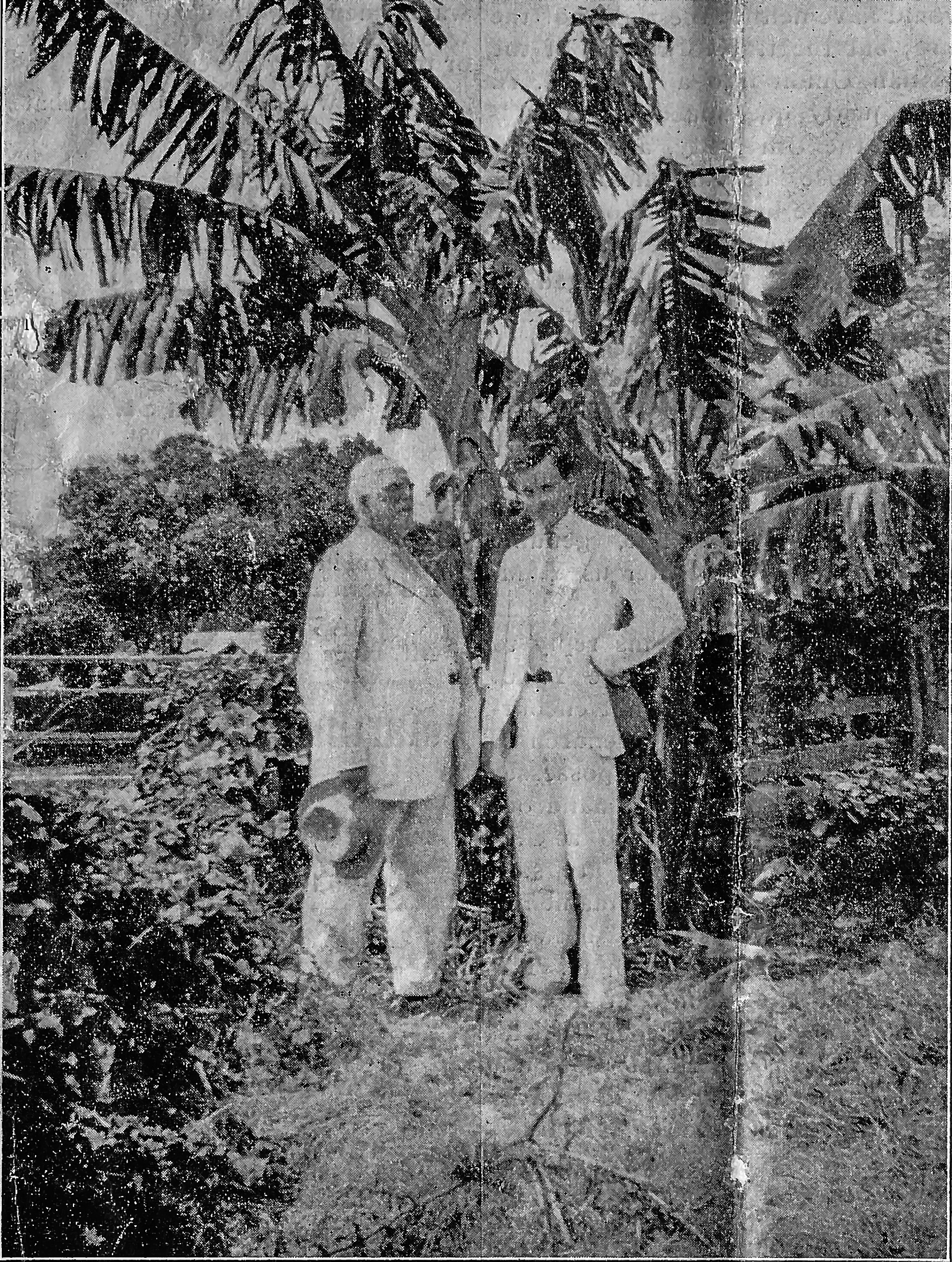
The Campus publishes a letter from Ellsworth P. Killip ‘11 to The Campus with an update on an expedition run by professor of geology and natural history Herman Le Roy Fairchild to Jamaica to study geology and botany. In the Feb. 22 letter, Killip cites temperatures in the 70-to-90-degree range, demographic and cultural differences between Jamaica and the U.S., and food on the island.