In the aftermath of genocide, is forgiveness more important than justice?
That was the concluding question of last Monday’s debate between UR Debate Union (URDU) and iDebate Rwanda, a charity that enables debate training and a platform for public debate in East Africa, whose first stop on its national tour was in Rochester.
iDebate Rwanda spoke in proposition—or favor, in debate terms—while URDU spoke in opposition.
Critical thinking, introspection, and using debate as a constructive medium were the main themes of the Debate Union’s opening season event.
“Debate is not about being opponents or having adversity, but instead about looking critically at a topic as an opportunity to teach,” iDebate Rwanda presenter Amos Furaha said.
Having come from a Rwandan background and having coached debaters from the iDebate Rwanda organization, sophomore Derrick Murekezi brought the idea of hosting this event to URDU.
“The team thought engaging in this public debate would be a fantastic forum for bringing more diversity to the Rochester campus,” freshman debater Brianna Terrell said. “Specifically, we wanted to create an entertaining public event that could expose the stories, struggles, and perspectives of real-life survivors of Rwandan genocide.”
As URDU’s leader of opposition, Terrell began the debate by outlining the opposition’s argument, laying out points of criticism for moral hierarchies.
She established the opposition’s conception of justice, and argued that equality can only be regained through a restorative system of justice that arbitrates conflict and considers perspectives and evidence on an individualized basis.
Terrell argued that claiming forgiveness is more important than justice is counterproductive. She went on to say that while forgiveness is “one-size-fits-all,” justice is specific on a case-to-case basis, thus validating the victim.
“It was significant for me, as one of the Rochester debaters, because it gave me the chance to empathize with a situation I might not have considered otherwise,” she said. “It reminded me that nothing is an obstacle.”
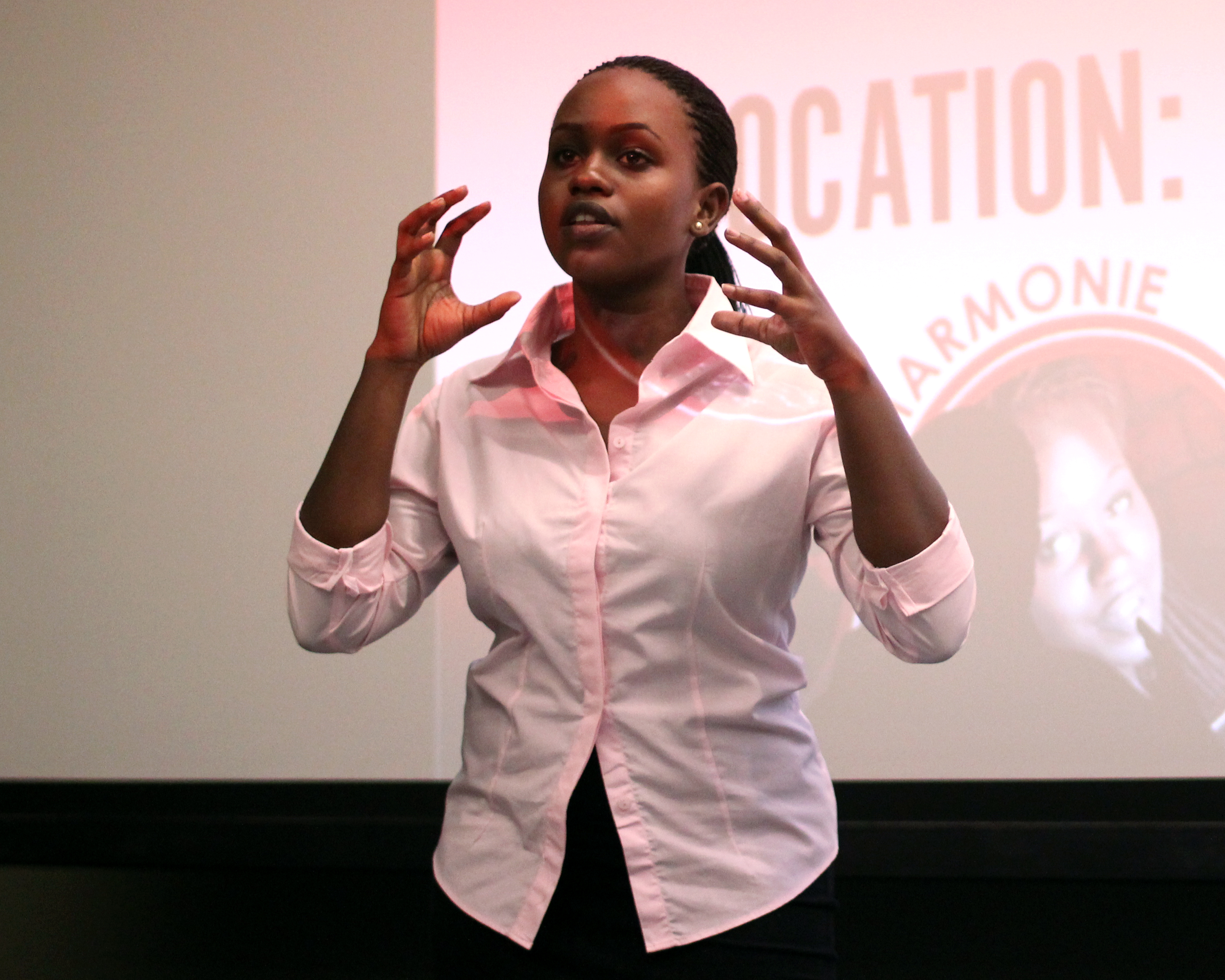
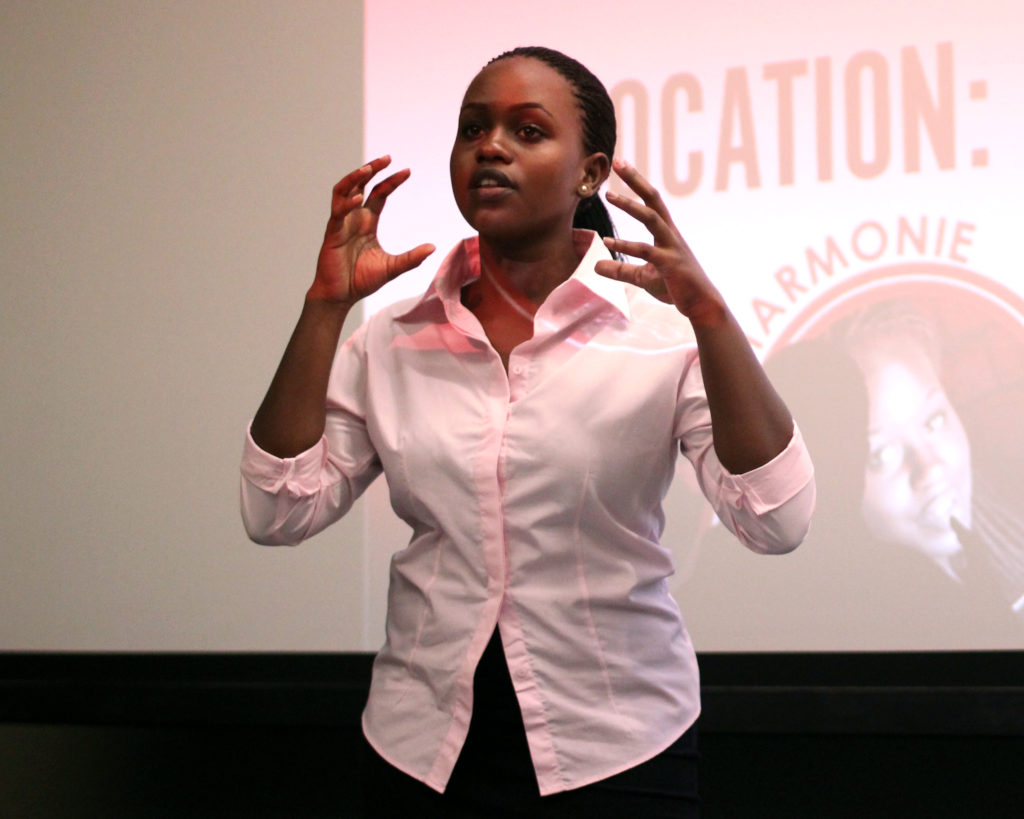
Following Terrell was the deputy prime minister of iDebate Rwanda, Isabane Muhumuriza Harmonie: “Forgiveness will make the victim willing to listen, to tolerate, understand, and be a starting point to go back to living their lives. Forgiveness deals with the problems at hand, while justice covers them up.”
At the conclusion of the debate, the floor was opened for audience members’ perspectives.
“Debate is a universally valuable thing that empowers individuals and transcends any ethnicity, any religion, and any personal obstacle,” Terrell said.