 A kitten was found behind the closed door of the first-floor kitchen of Gilbert Hall early in the morning on Friday, Aug. 28.
The feline was a resident of the 19th Ward and had followed some students home from an off-campus party. According to a group of Gilbert Hall residents who wished to remain anonymous, the kitten had followed some students across the Genesee after spending a large part of the night with them off-campus.
Since they were unable to convince the cat into staying behind, the revelers took great care in protecting it while they crossed major roads.
One student recalled his group splitting near the Interfaith Chapel in order to lose the inquisitive beast. Another student from the same group sought temporary refuge in Susan B. Anthony Hall. How the creature found its way into Gilbert remains unknown.
The cat was first discovered in Gilbert by a member of the cleaning staff. Junior Hannah Slavin was the RA on duty when the cat was found. She confirmed that the feline was “well-behaved, not very vocal, and soft and adorable.” The public safety officers called to the scene played with it too.
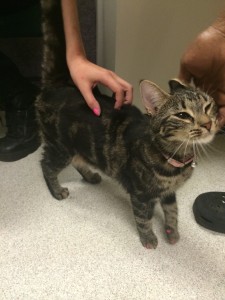
The cat had pink silicone nail covers and a matching collar. It was called “Gilbert” for the duration of its stay.
The cat was kept in the Quad Area Office before it was transferred to a temporary home in Riverview. It has since been returned to its owner.
Yarmoff is a member of the class of 2016.