Factory shutdowns and desolate highways in the name of social distancing have shown us a glimpse of a cleaner future, but climate change is still an existential threat.
Scientists like senior Roxana Kazemi have been studying the damage that methane has caused on the environmental forefront.
Roxana Kazemi is an upcoming Take Five Scholar who will be studying economics and gender studies next school year. As an undergraduate, Kazemi majored in environmental science. “The fields seem unrelated, but they totally opened my eyes to another view on environmental problem solving using cost benefit analysis. It gave me perspectives on different solutions.”
Kazemi works as a researcher through UR’s Department of Earth and Environmental Sciences in Dr. Petrenko’s Ice Core and Atmospheric Chemistry Lab. There, she studies the environmental effects of greenhouse gasses, with a particular focus on the effects of human-caused versus naturally-emitted methane.
The lab’s postdoctoral researcher Ben Hmiel recently published a study suggesting that human-caused methane levels in the environment are much higher than previously anticipated.
Methane emitted naturally from the ground is isotopically identical to the methane released by humans through oil and gas wells. Because both natural geologic and unnatural fossil sources of methane leave an identical atmospheric footprint, the air trapped in ice core sheets was studied in order to measure the amount of “past methane” in the atmosphere.
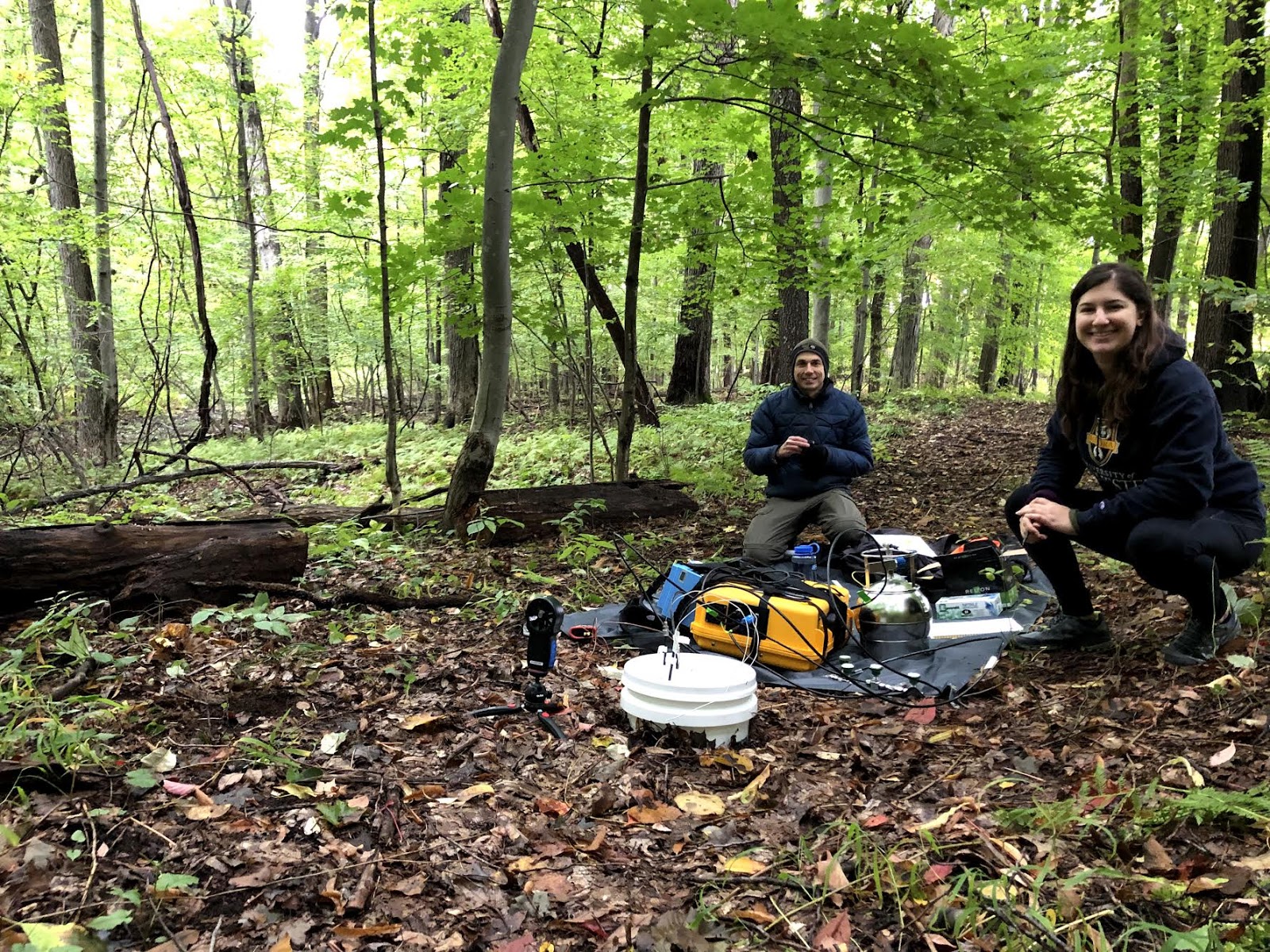
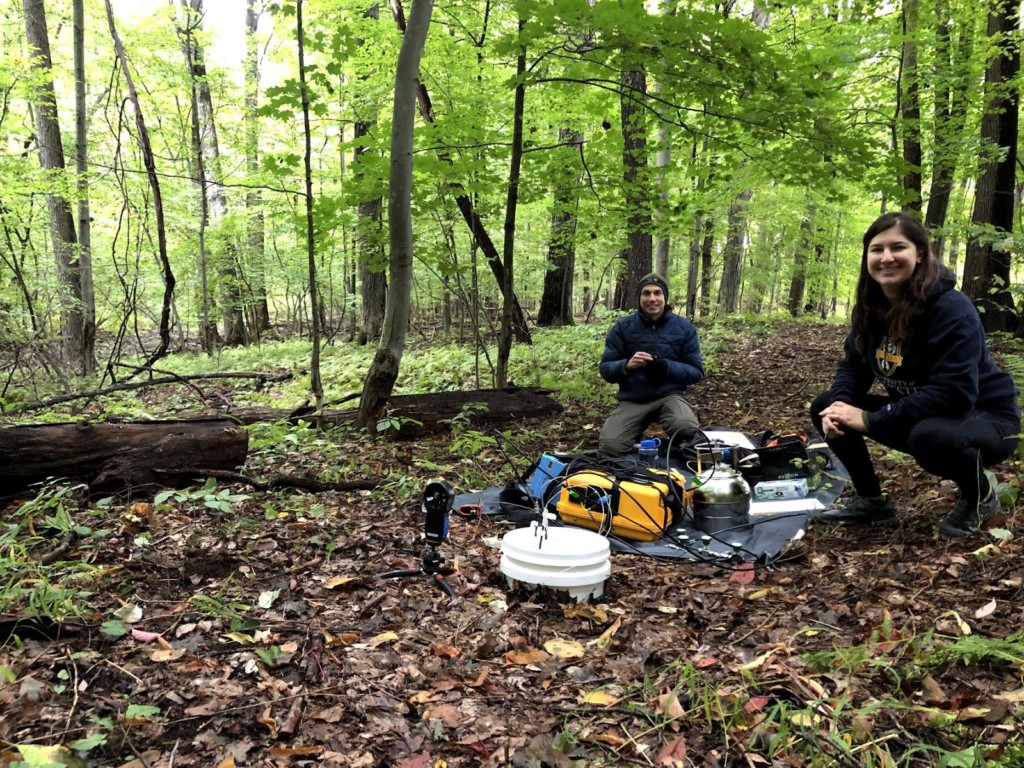
Through these careful observations and calculations, it was determined that the natural component of methane in the atmosphere, dating from before the inclusion of a man-made component, was very low. That was how the lab reached the conclusion that human-caused methane levels are so much higher than initially thought. Kazemi’s research focuses on further verifying and exploring this discovery by direct field experimentation and soil seepage sampling in about 15 regions of Western New York. Kazemi uses a lab-built flux chamber to measure the change in methane concentration over time.
“At least for our region, modelers have overestimated the amount of natural [methane] seepage,” Kazemi said, “so the amount of [human-caused] seepage is even higher than we thought. This is really interesting because the fact that human induced [methane] seepage is higher than we expected means we have more power with how we deal with these situations.”
When asked how humans can help decrease the amount of methane emitted into the atmosphere, Kazemi discussed paying particular attention to abandoned oil and gas wells. When abandoned or poorly sealed, these grand-scale industrial appliances are left to release more methane from the ground. Methane has a remarkably high global warming potential compared to carbon dioxide, resulting in significant warming during its short lifespan within the atmosphere.
“If we can reduce methane emissions,” said Kazemi, “we will have a much greater chance of stopping large quantities of global warming because this is something we can control, more so, in the short term, whereas CO2 will be in the atmosphere for hundreds of years.”
Upon graduating, Kazemi intends to pursue a career in environmental consulting and sustainability, focusing on the fusion and intermarriage of envirnomental issues and practical application.
“I want to address these issues at a larger level,” Kazemi said. “This is important and we need to keep learning more.”