Editor’s note: Some quotes have been edited for clarity.
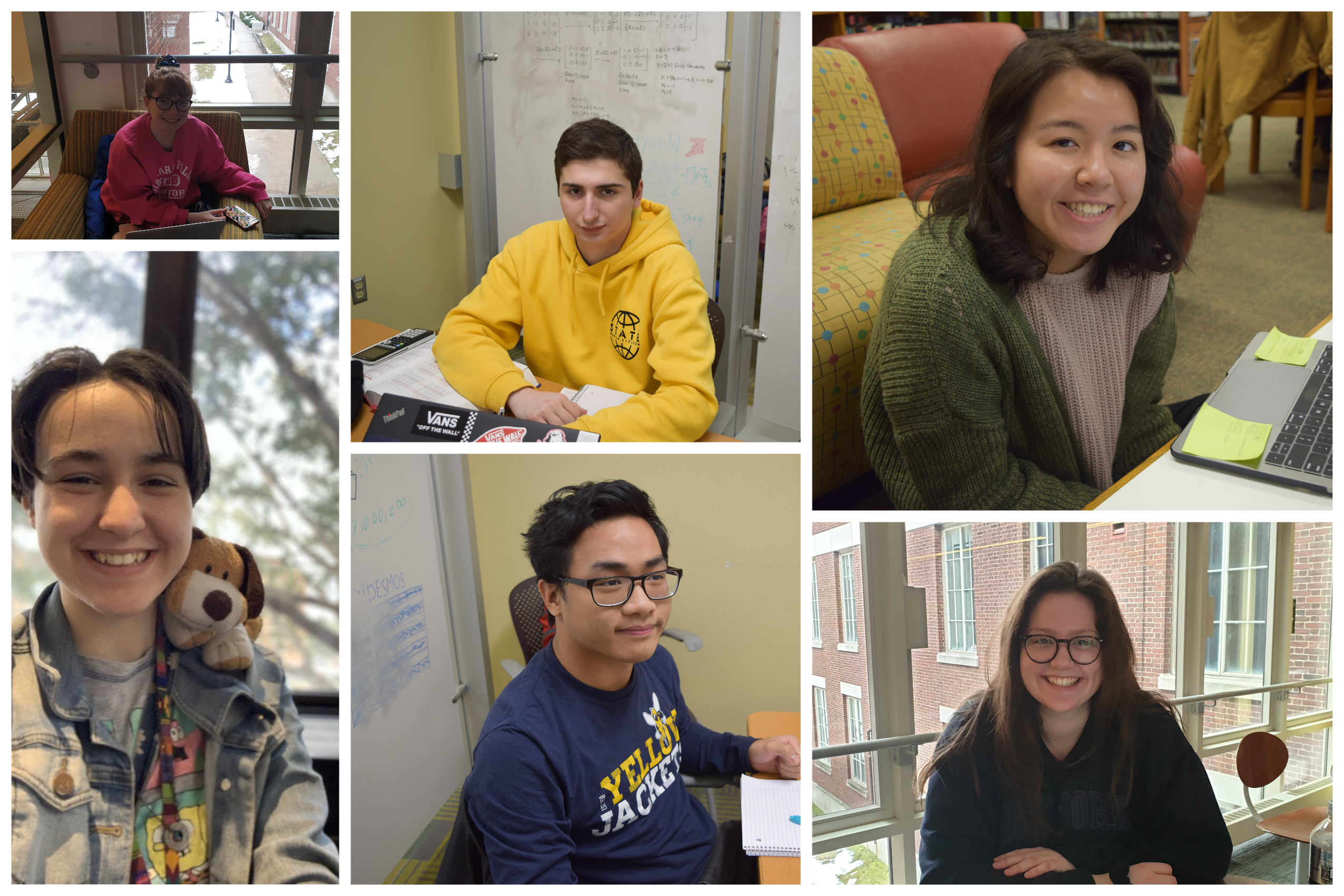
This week, we went around asking students what their favorite study spot was on campus.
 Breanne Fong (junior): “It’s the Art & Music Library because it’s one of the smaller libraries and I like the vibe — it’s warm, and I know people think it’s too hot, but it’s so cold outside.”
 Dimitrias Tolis (first-year): “Carlson, because of the booths that they have on the third floor.”
 Nicholas Thurber (first-Year): “Gleason Library because it’s pretty easy to study and I like the environment. There’s people around but it’s not too loud.”
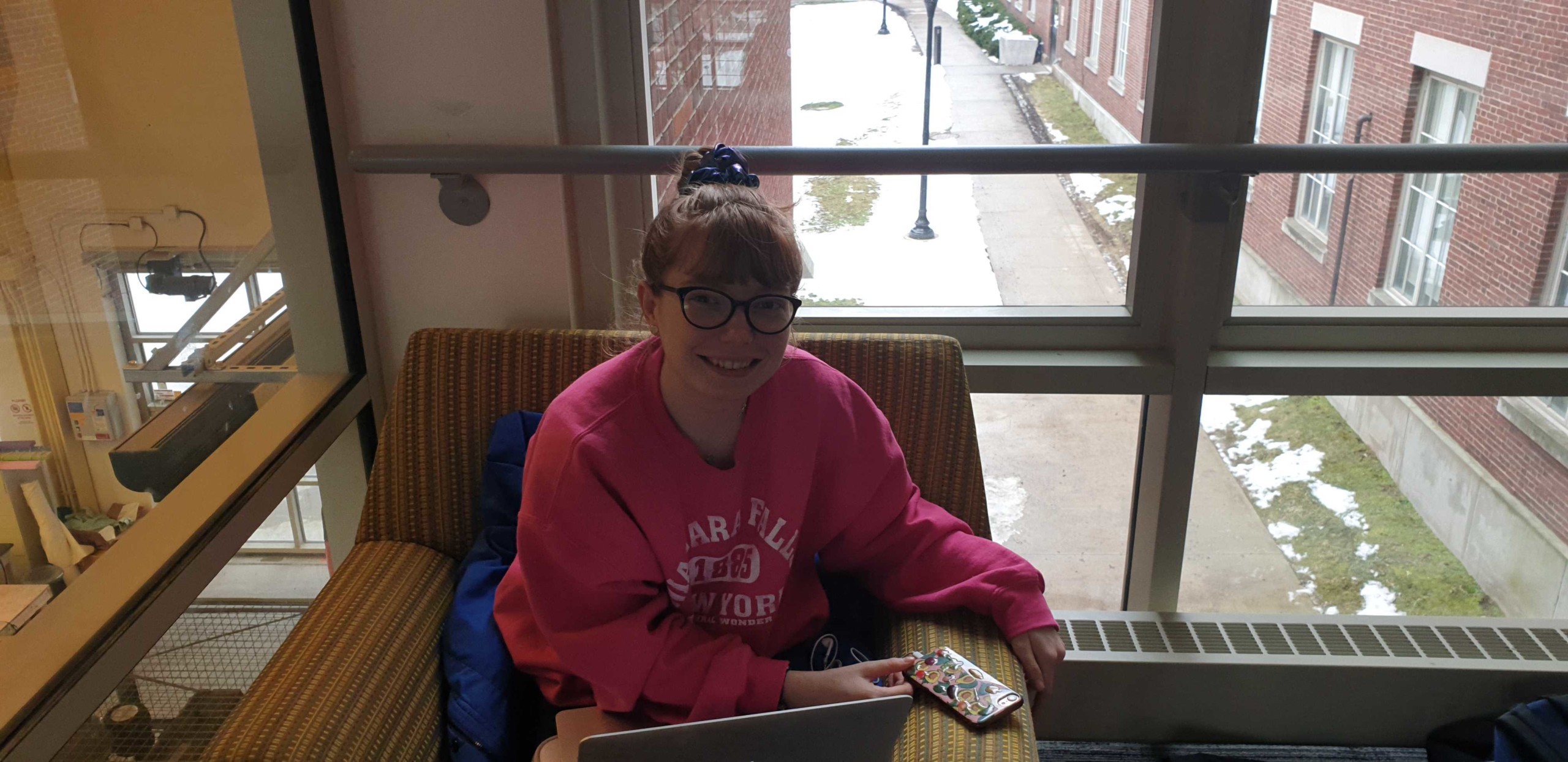 Grace Fallon (junior): “I’d say Rettner is my favorite study spot just because it’s bright and it’s quiet as well. If I don’t like being around a lot of people, then I think of coming here. Also, I think the library is a bit intimidating.”
 Susanna Gelens (junior): “Gleason is probably my favorite study spot because you can sit down with other people.”
 Molly Kilian (first-year): “In my dorm at my desk or on my bed because it’s quiet and comfortable.”