Photo by Caitlin Olfano

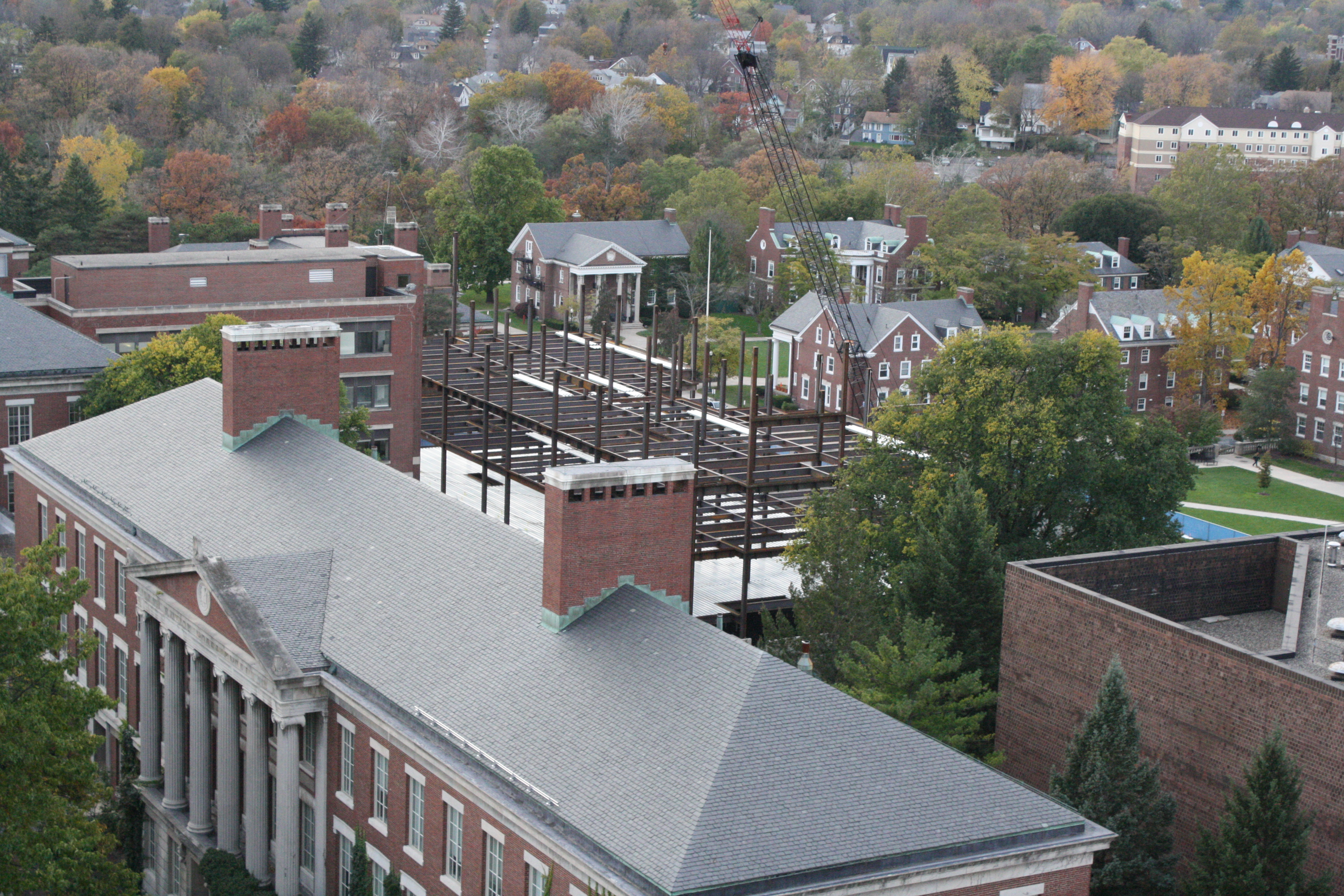
UR’s on-campus construction efforts have been so ravenous that a group of alumni could not identify a single building while on a post-Commencement tour.

“What’s the Advanced Experiential Learning GigaHub?” asked Erica Jarvis ‘18, still in her cap and gown. “Did they put that up during the ceremony or?”

Ramon O’Donnell ‘18, walking alongside Jarvis, pointed to a pile of brick rubble cordoned off by traffic cones and yellow tape.

“I remember when me and my buddy Craig climbed on top of that building and smoked a couple Black & Milds that we rolled with resin scraped from his piece,” he said, his face glowing with nostalgia. “Last Thursday seems so far away.”

As they made their way around campus, the beat of a backhoe in reverse pulsed.



Fresh alumni unable to identify any building on campus amid UR construction

There was one winner from each grade and each was awarded $500 towards their future college tuition upon admission.  Read More

Fresh alumni unable to identify any building on campus amid UR construction

However, recent student protests are considerably less effective than they used to be. According to The American Prospect, there were far fewer young attendees to the most recent round of No Kings marches in proportion to the attendance of older generations. Read More

Fresh alumni unable to identify any building on campus amid UR construction

As recently as the early 2010s, it was standard practice for surgeons to provide 30 to 40 or more opioid pills for common, minimally invasive procedures. Most of these pills, however, would remain untouched, left over in the patient’s medical cabinet or kitchen pantries for potential misuse. A team of researchers led by URMC’s Dr. Jacob Moalem set out to reduce these opioid overprescriptions. Read More