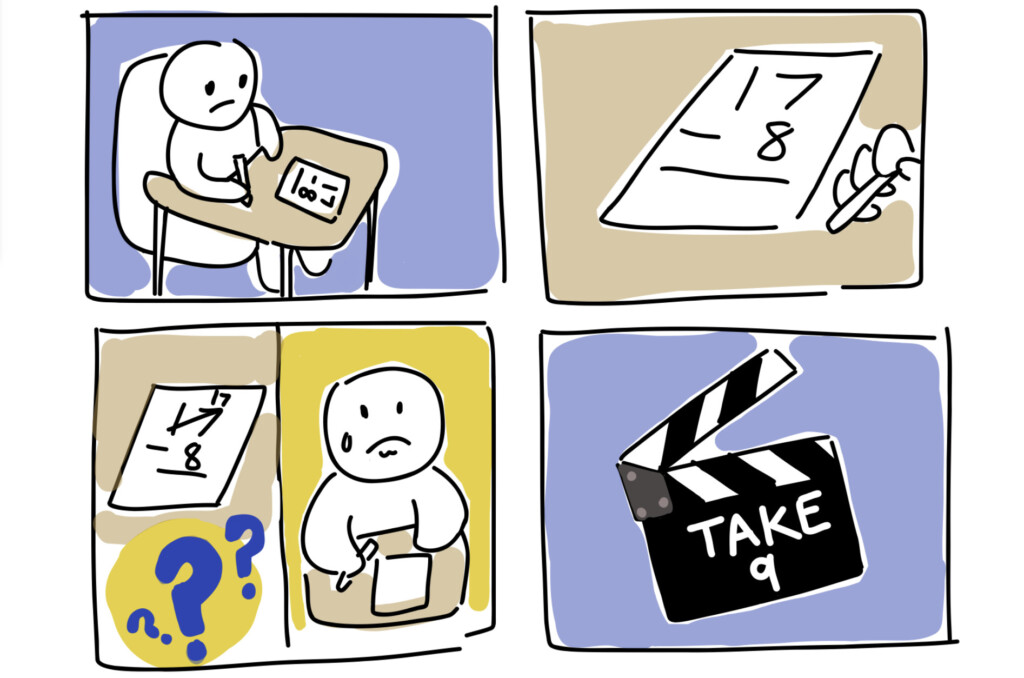
BREAKING NEWS:

It’s the season for midterms! 

However, we have reports that libraries across the country are currently experiencing a shortage of calculators for students to borrow. 

In replacement of the calculators, the libraries have begun to hand out abacuses to students, in addition to offering them practical lessons on how to use them. 

As a response to the lack of calculators, many students have gathered together in attempts to open a dark portal to another dimension, hoping that it grants them fortunes beyond their wildest dreams. 

They’ve decided to make a list of demands, many of which are focused on the present situation:

  1. We want more calculators.
  2. We want more fingers and toes to count on.
  3. We want two more brains so that we can do mental math faster.
  4. We want a silly frog in a top hat, and we want to name him Bobert.
  5. We want to pass all of our midterms.

The results of their efforts are unknown at this time, but we can only hope that they succeed in giving us all three brains, 50 fingers, a silly frog in a top hat, more calculators, and of course, a passing grade in all of our midterms.
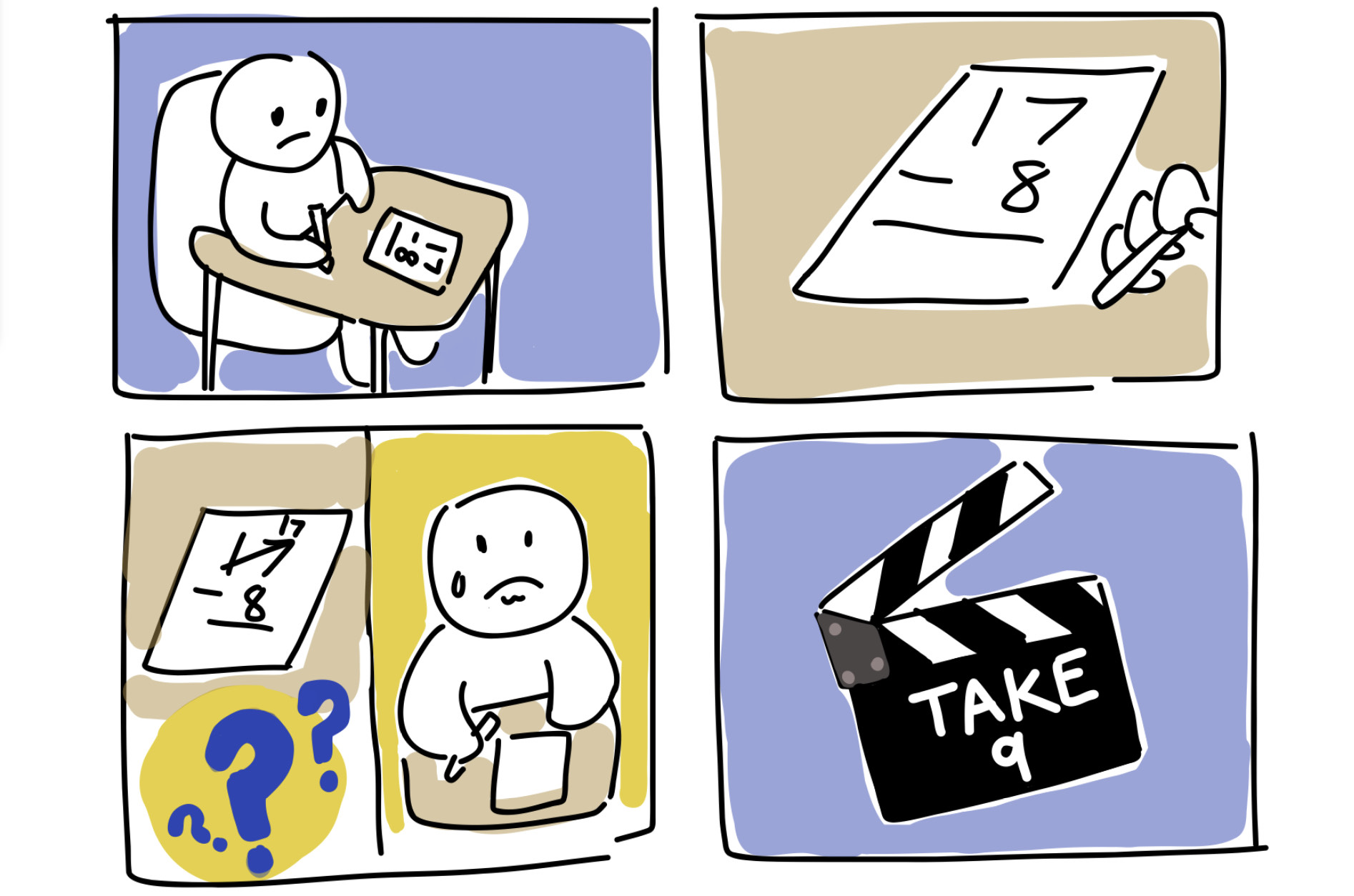
Libraries out of calculators, students turn to the dark arts

Beer started his track and field career in his junior year of high school. “My friends were on the track and field team in high school and I thought I’d give it a shot because it seemed fun,” Beer said. “Plus my high school coach begged me to join the team.” He started competing in the field events and never looked back. Read More

Libraries out of calculators, students turn to the dark arts

However, recent student protests are considerably less effective than they used to be. According to The American Prospect, there were far fewer young attendees to the most recent round of No Kings marches in proportion to the attendance of older generations. Read More

Libraries out of calculators, students turn to the dark arts

As recently as the early 2010s, it was standard practice for surgeons to provide 30 to 40 or more opioid pills for common, minimally invasive procedures. Most of these pills, however, would remain untouched, left over in the patient’s medical cabinet or kitchen pantries for potential misuse. A team of researchers led by URMC’s Dr. Jacob Moalem set out to reduce these opioid overprescriptions. Read More