Thanks to TikTok, the cycle of fashion trends is moving faster than ever.
In past decades, trends typically lasted for the entire decade (or even two), and it was easy to match a type of style with when it was most popular. Just think of the 70s or the Y2K era. The trends during these decades lasted the entire decade and would be recycled in later decades. Now it seems like there is a new trend or popular style every year, even every month.
Last year Y2K fashion was all the rage, but the times are changing and fashion is moving towards indie sleaze.
You may be asking yourself, “WTF is indie sleaze?”
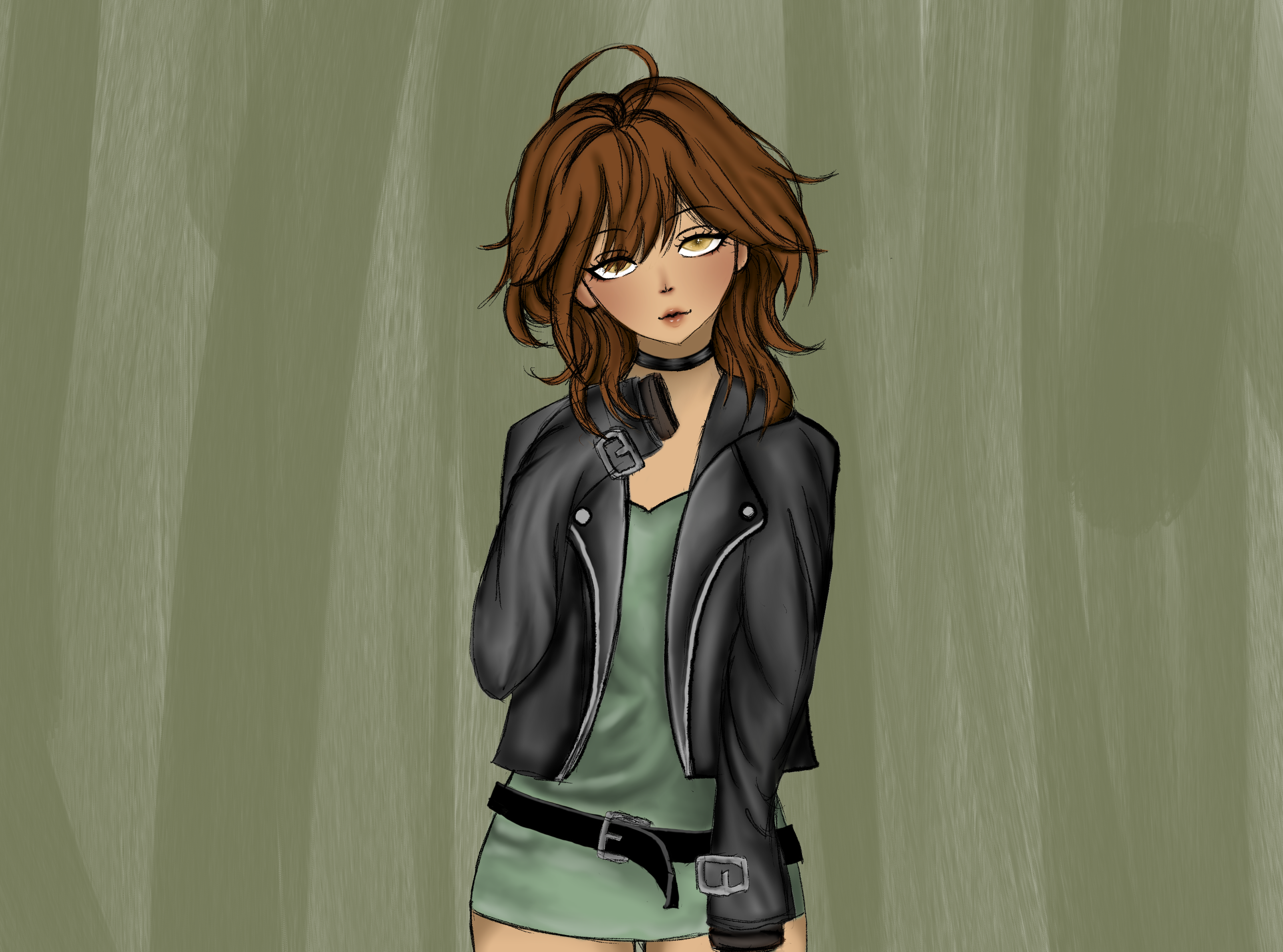
Indie sleaze is essentially a Gen Z term for the hipster aesthetic. Think skinny scarves, metallics, and grunge. When I think of indie sleaze, the first things that come to mind are the TV shows “Skins” and “Gossip Girl.” Both shows emerged during the indie sleaze party scene, demonstrating the fashion and the angst of the time. Celebrities who embodied indie sleaze during the early 2000s, were M.I.A., Santigold, and Karen O. Some of my favorite musicians to date.
The indie sleaze era initially spanned from 2008 – 2014. Trends from this era include smudged makeup, excessive jewelry, thigh-high socks, and Jeffrey Campbell platforms. In her video “the disaster that bred the indie sleaze era,” Youtuber Kristen Leo describes indie sleaze as a reaction to the economic recession. The Great Recession of 2008 occurred following the U.S. housing crisis. It was the worst economic crisis to happen in the U.S. since the Great Depression. During this time many of us were too young to understand or care what was going on.
Those who could understand rebelled by forming a counter culture known as indie sleaze. Marked by extreme partying, anger toward excessive wealth, and a desire for simpler times, indie sleaze pumped through the veins of the rebellious, topped off by mismatched patterns and messy hairstyles. Indie sleaze is the antithesis of perfection, and in the hyper-filtered world we live in today, it makes sense why this anti-beauty aesthetic is back.
Fashion trends and the state of society go hand and hand. We dress in reaction to our emotions, and our emotions often reflect our societal situations. Due to the pandemic, people are “socially starved;” they have a desire to escape and party hard. Indie sleaze gives people that escapism they so desire.
We are also in the midst of a recession ourselves and we want to be free from economic stress. We were trapped indoors for months. Everything is extremely unaffordable — gas, housing, groceries, etc. Many of our loved ones died and sometimes it seems we are on the brink of war. With all of this, many of us feel these past two years have sucked and we just want to have a good time. The way we dress expresses that.
Indie Sleaze music playlist on Spotify:
https://open.spotify.com/playlist/37i9dQZF1DWVmFSstZWJmo?si=r3nV8_egQ_2yqy1VqcmulQ&nd=1