It seems like spring has finally arrived. The sun’s been shining all week. The snow has melted enough for only dirty little clumps of slush to remain on the sidewalk. I wore my Crocs to campus last week. And I’ve been greeted by my annual wave of springtime sadness, which is how I know the season is truly approaching.
I don’t know why I get sad in springtime, but I always do. It’s happened every year since I was young. As a child, spring seemed to signal change — the school year was ending, the weather was shifting, and weeds would appear in my front yard as the outside world defrosted. It almost felt like something was defrosting inside me, as well, like all of the energy and tension that built up in my tiny body over the course of winter was finally beginning to stretch and come alive. I felt moody and nostalgic. And I always thought everything else looked sad, too — the natural world was wet with rainwater and melting snow, and the trees were still brown and droopy despite the promise of warmth.
The most important thing to do when we’re sad, even though it’s hard, is to take care of ourselves. Today, I’m recommending something that will make that a little easier as spring comes closer — it’s called “Plant Nanny 2,” an app that reminds you to drink water and stay hydrated.
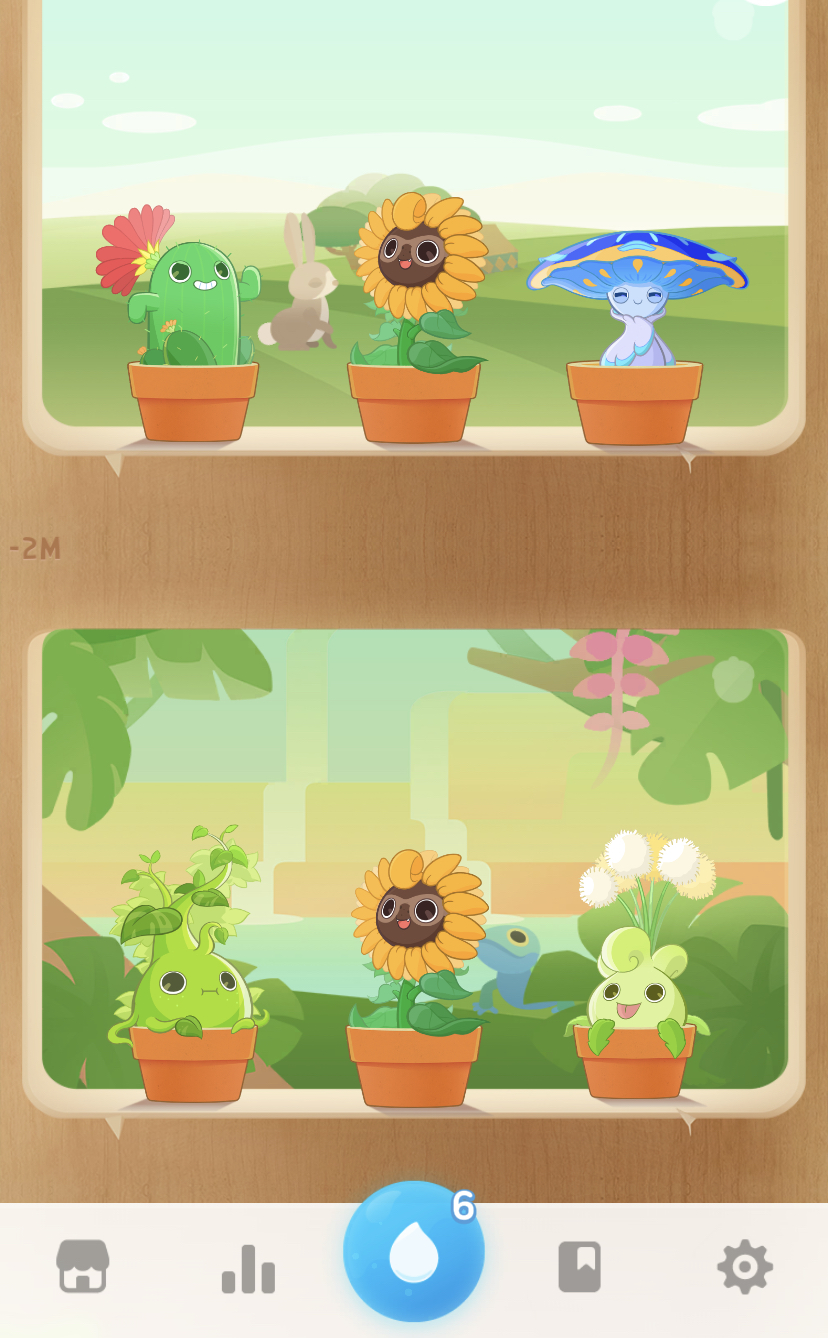
Drinking enough water throughout the day seems hard for everyone. But it’s springtime, and just like the plants need watering, so do we. “Plant Nanny 2” sends you periodical reminders throughout the day to take a break and stay hydrated until you’ve reached the goal of eight glasses a day. When you first download the app, you receive a tiny sunflower seed. Each time you take a drink, you water your seed, until, eventually, you’re left with a beautiful, flourishing flower.
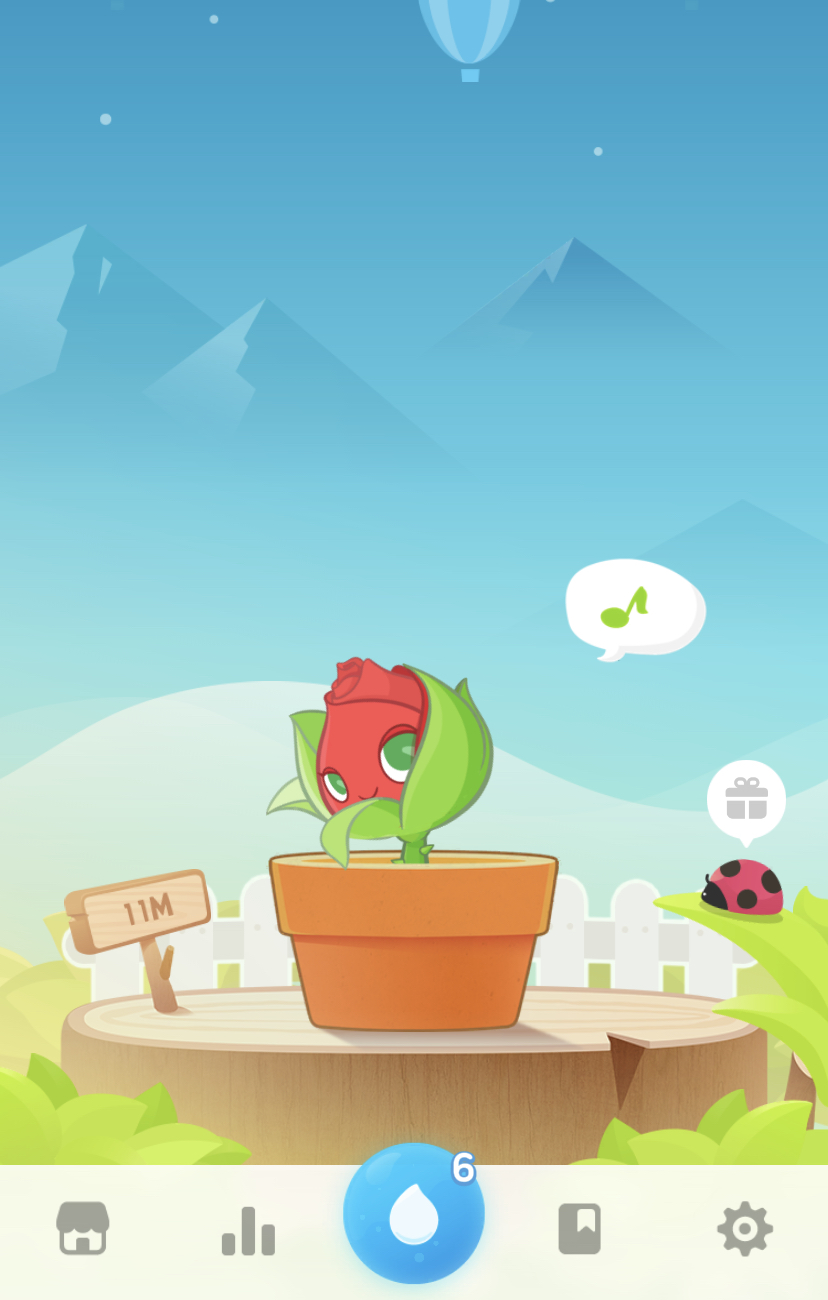
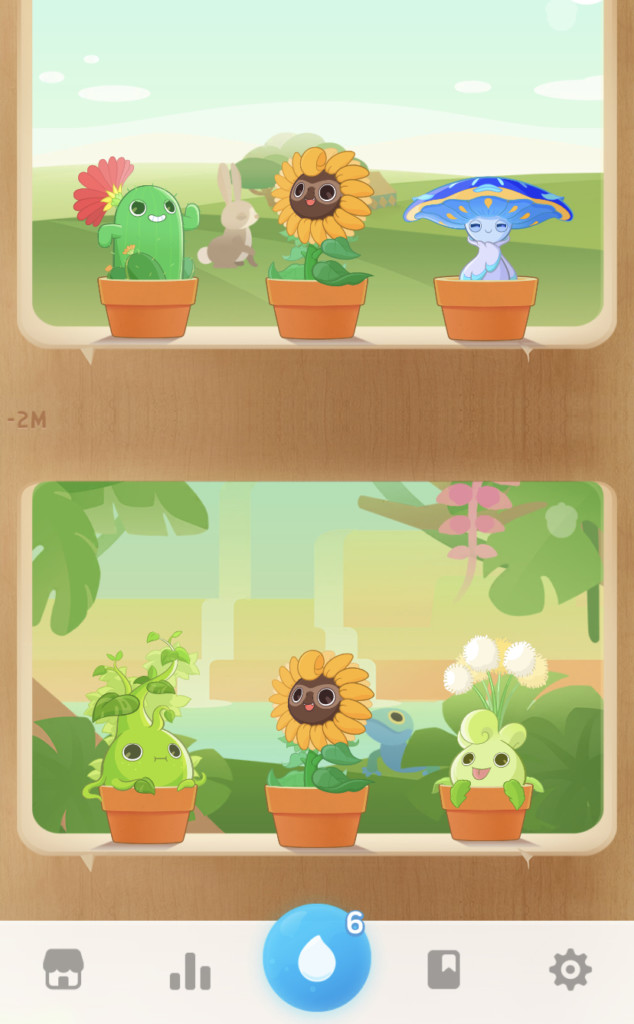
Ideally, that’s how you’ll feel once you start drinking enough water. After your sunflower fully blooms, it’ll be moved to a garden, at which point you can harvest seeds and use them to purchase others to water and grow — such as mushrooms, roses, cacti, and dandelions. A small ladybug appears in the corner each day to give you a few extra seeds or sunshine. And if you have enough plants in the garden, sometimes little critters like rabbits or lizards will appear.
Self-care feels hard. Lately, I’ve had to make an effort to complete certain tasks that ensure my emotional well-being. Getting a reminder on your phone to drink water is a small step, but anything you can do to care for your body is important. With “Plant Nanny 2,” I have something to nurture besides myself, and the seeds and flowers on the app flourish when I flourish. The natural world is a strange and complicated place in the springtime, and so are our bodies. We have to take care of them both.