When I announced my courageous attempt to lose weight, my friends hesitantly suggested that I should perhaps exercise.
I dithered, debating whether to awkwardly go to the gym and work-out, or proudly accept the fact that some of us will just have to be above average in everything, including body weights. But Nintendo made my life easier.
If you owned a Wii more than a decade ago, you’ve probably played Wii Sports and Wii Fit. Nintendo discontinued the Wii, but continues to develop fitness games (like “Fitness Boxing” and “Ring Fit Adventure”) with their new console, the Nintendo Switch. Basically, the developers just really want gamers to get out of their beds and start working out.
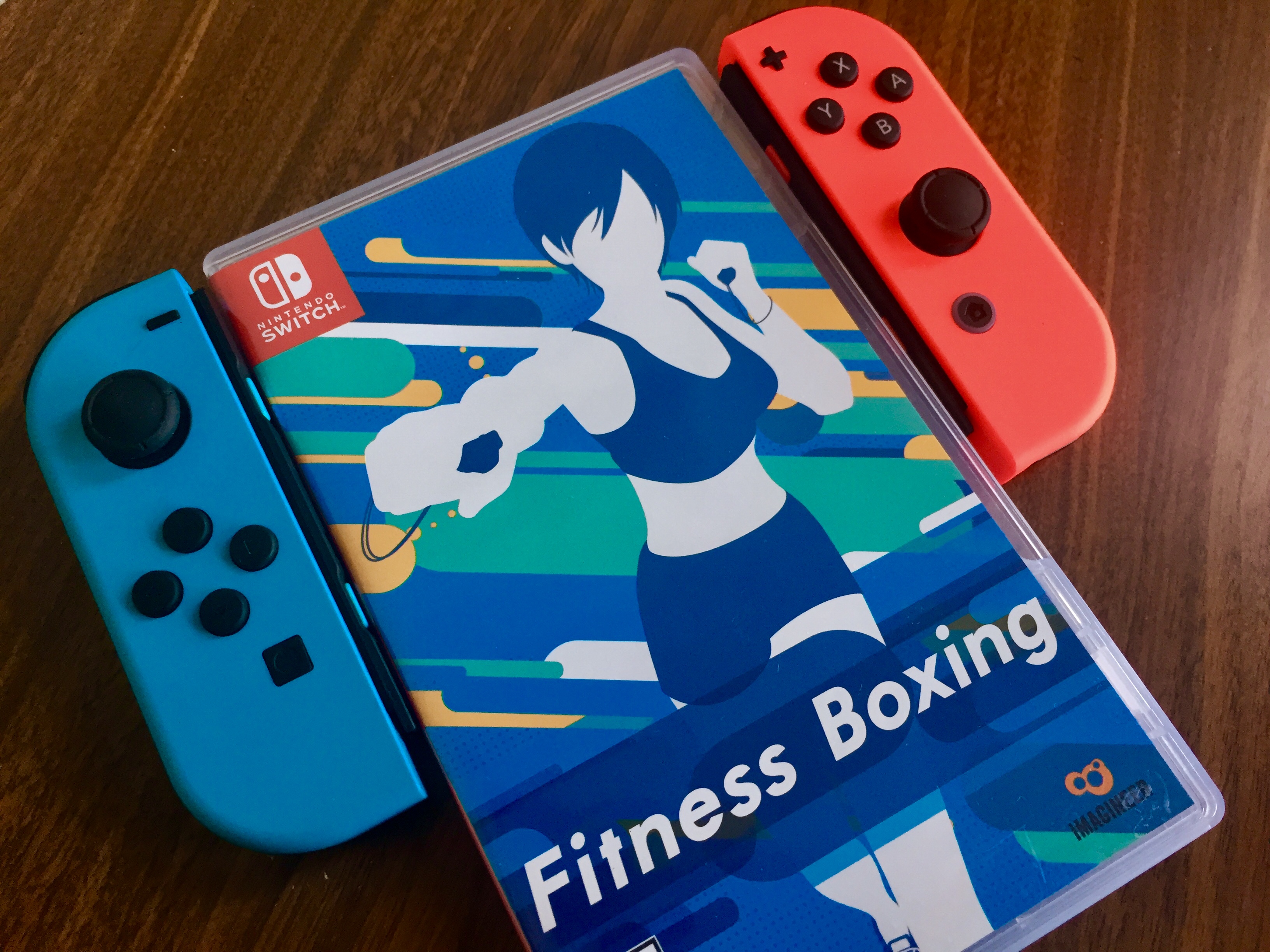
Thanks to Nintendo, I can now practice boxing (and smash everything) in my single dorm room with the Fitness Boxing game, where I twist and bounce and punch to the beats of some outdated pop music like “Call Me Maybe.” The game is basically a combination of a fitness and a rhythm game — so playing “Tap Tap Revolution” with your body.
To me, exercising is an inhumane torture that only the strongest and bravest can endure. But “Fitness Boxing” adds a playful and pleasurable twist to the torture (in other words, the BDSM of working-out). When you first begin the game, you pick a trainer who will teach you the boxing strategies and encourage you during the exercise. If you want to fulfill your trainer’s expectations and get perfect hits, you will actually have to move your body and try to punch.
According to the players’ training goal (set after the initial fitness test), there are different daily sessions that include two routines to complete. Besides these sessions, you could also further work-out from a variety of strategy-specific practices, such as only practicing jabs.
My first attempt with this game was a disaster — not only was I calculated to have a fitness age of 34, which made me feel like an aged pumpkin, but I also woke up the next morning with a sore arm barely able to hold up my phone.
The more I played this game, the more I appreciated the functions it included. The game is very encouraging and helps with building commitment, perseverance, and strength. I am aware that my trainer is just a 2D virtual character, but having support during the exercises still made me want to strive harder and get better hits. The game also calculates the number of calories you burn on top of your fitness age. While the numbers may not be accurate, it still provides a glimpse of how much boxing you have done.
It is known by many that exercising can reduce stress hormones and increase mood elevating hormones. For me, simply punching in the air allowed me to release my stress (and my frustration with my Editor-In-Chief).
The people who will benefit the most out of this game are those feel too awkward to go to a gym or want to try committing to exercise. But, if you are already working-out regularly, there’s really no need to spend 50 bucks on a fitness game.
And yes, I did lose a few pounds from playing this game.