A name is more than just a word. It carries the weight of a person’s whole identity. A name can embody a person’s ethnicity and culture, or pay tribute to their ancestral roots. A self-given name may embody a person’s beliefs or chosen identity.
Everyone has the right to have their name pronounced correctly. It is a sign of respect for a person’s individuality. “A person’s name is to him or her the sweetest and most important sound in any language,” Dale Carnegie writes in his book, “How to Win Friends and Influence People.” Behind each name is a story, and when a name is anglicized, mispronounced, or disregarded, that story is dismissed.
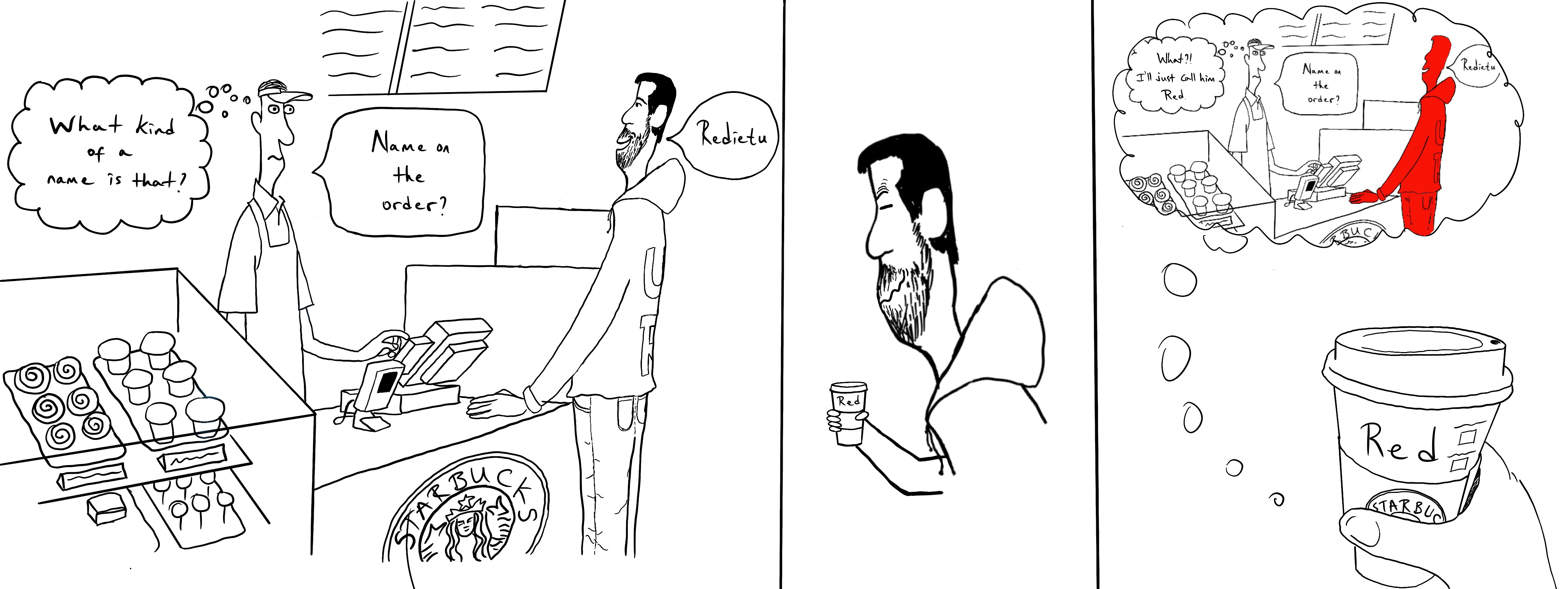
A chronically mispronounced name can negatively impact a person’s attitude toward their own identity. It can create feelings of shame or embarrassment because they are made to feel like a burden. In the long term, this might cause someone to distance themselves from their roots. They may begin shying away from their native language, culture, and family for the sake of fitting in.
In order to avoid this, many international students living in the U.S. choose English names. People shouldn’t have to disregard their identities for the sake of someone else’s convenience.
Everyone makes mistakes, and not everyone can get a name right on the first try. Mispronouncing a name repeatedly, however, shows a lack of effort. It is not okay to be comfortable with mispronouncing names, and being unfamiliar with a language is no excuse.
If you’re unsure whether you’re pronouncing a name correctly, just ask. Think of it as a way to expand and strengthen mutual understanding, both personally and culturally. When meeting someone for the first time, verify that you heard the name correctly. It doesn’t take a lot to simply repeat the name back. Spell it out. Write it down. Do whatever you have to do to get the name right. Making the effort to correctly pronounce someone’s name is an essential part of cultural competency. Without this, we cannot expect to demonstrate respect and tolerance for our diverse community.