Courtesy of jfiveelectric.com
“Going green” is an initiative that many college campuses, including UR, have been striving toward. Through various student organizations, the student body is encouraged to participate in events such as UR Unplugged and RecycleMania. A number of LEED-certified buildings, such as the Saunders Research Building at the UR Medical Center, also populate the campus. However, UR does not conserve energy as efficiently as it can when it comes to lighting.
Throughout the University, many lights and other electronics remain on in buildings after hours. For example, the lights in Danforth Dining Hall stay lit long after the facility closes. Though some stay on for security reasons, it is a waste of energy and money to keep every light on for the duration of the night.
Another issue regarding lighting involves Fauver Stadium. The field lights stay on long into the night after practices and games have ended. If this too is a security measure, not all of the bright lights are required to stay on in order to see the field. Some can be turned off, providing enough light to see the track, but still conserve energy.
In contrast to the dining halls, most parts of the library and other academic buildings are dark after hours, with the exception of a few security lights. These are prudent examples of more eco-friendly options and even allow people to see if intruders have entered the building.
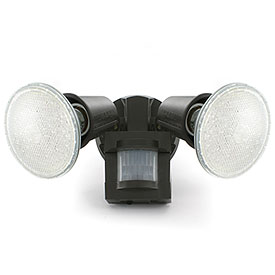
One potential way to rectify this problem is by installing motion-sensor lights, thus eliminating the need for having them on all the time while still complying with security needs. This seems to be an effective compromise — having motion-sensors would not only be cost-efficient, but also more eco-friendly.
UR needs to conserve more energy by turning off the lights in buildings after hours as unnecessary illumination wastes energy and money. Installing motion-sensored lights in certain facilities would not only cut down on the University’s electric bill, but would also turn the University into an ever “greener” school.