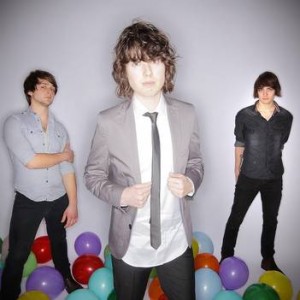
Not only do I take great pleasure in being able to recommend a local band, but I also take great pleasure in being able to recommend a group that’s so off-the-map it doesn’t even have a Wikipedia page. I know, right?
Over the summer, I was perusing the Bug Jar’s upcoming lineups for this semester, and, in the process, discovered a Rochesterian group called Joywave. Joywave is one of those rare musical ensembles that necessitates the simultaneously frustrating and exciting experience of trying to describe a sound that isn’t really reminiscent of any other band. The closest you might get is to say that their music can have Yeasayer- or Cut/Copy-esque aspects for a few seconds at a time, but, on the whole, Joywave just sounds like Joywave.
Their sophomore release, a succinct seven-song album called “Koda Vista,” is the best of their work so far, which includes their debut album and a single. The group employs the use of electronic undertones and synthesizers, but in a foggy way that seems more like a mask over their more classic guitar-bass-and-drums set up. The best track on “Koda Vista” is “True Grit” — it’s as if the first three songs build up to it and the last three songs break it back down. Although “True Grit’s” structure initially alludes to an MTV top 20 from the 80s — with electric guitar and breathy, anxious singing — it quickly reveals its electrifying 21st century foundation, making it the perfect song for first-time listeners to use as their introduction to Joywave.
Sklar is a member of the class of 2014.