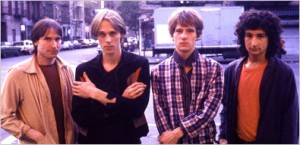
It’s almost sad when the ones who inspire are forgotten, when talent is overshadowed by controversy and loud noises. This is the story of Television, an American band started in the 1970s that has had off-and-on-again performances ever since. Punk fans, don’t worry when you realize that you’ve never heard of them. Johnny Rotten of the Sex Pistols probably encapsulated the general sentiment of most perusers of Television: They were interesting but boring. Their long pieces, complex in technique and can only be appreciated after several listens, doesn’t really fall into the category of “popular music.”
And why should they? David Bowie, the Sex Pistols, Joy Division and most other famous bands that have appeared after Television all had some kind of controversy surrounding them: fashion, Sid Vicious and suicide, respectively. Compared to these others, Television seems safe: a group of amateur-ish boys playing with the guitar. Yet they’ve inspired so many, most notably with their famous album “Marquee Moon,” its eponymous song reportedly so difficult they kicked out a bandmate for not being able to master the introductory guitar riff.
Of course, this band isn’t for the average rock music listener. Like the Velvet Underground, they may be considered too artsy or too plain for someone looking for a story behind their music. If you want technically amazing music, listen to them. If you want music that’s fast and has the typical “sex, drugs and rock and roll” spiel, go elsewhere.