I started at UR in a somewhat unconventional way. I changed my mind about my major and school the summer before my first year, starting at Monroe Community College instead for the Fall 2019 semester. I was accepted as a transfer student to UR that December and showed up for winter orientation in late January. To make housing simpler, I decided to commute and see what I wanted to do the following year. (Spoiler alert: the school shut down 2.5 months into my first semester, and I spent the entire next year online.) This past fall, I decided to continue commuting, and I think I’ll do so for the rest of my time at UR. It’s definitely not the ideal college experience, but the benefits have outweighed the negative aspects so far.
Cons
Easily the largest con to commuting is that it’s very easy to feel disconnected from campus life, which can make it difficult to form solid friendships. My first few months at school, I was overwhelmed by my classes and the winter weather was rough, leading me to rush to catch the bus back to the parking lot as soon as my classes ended. Being more of an extrovert definitely makes all of this easier though.
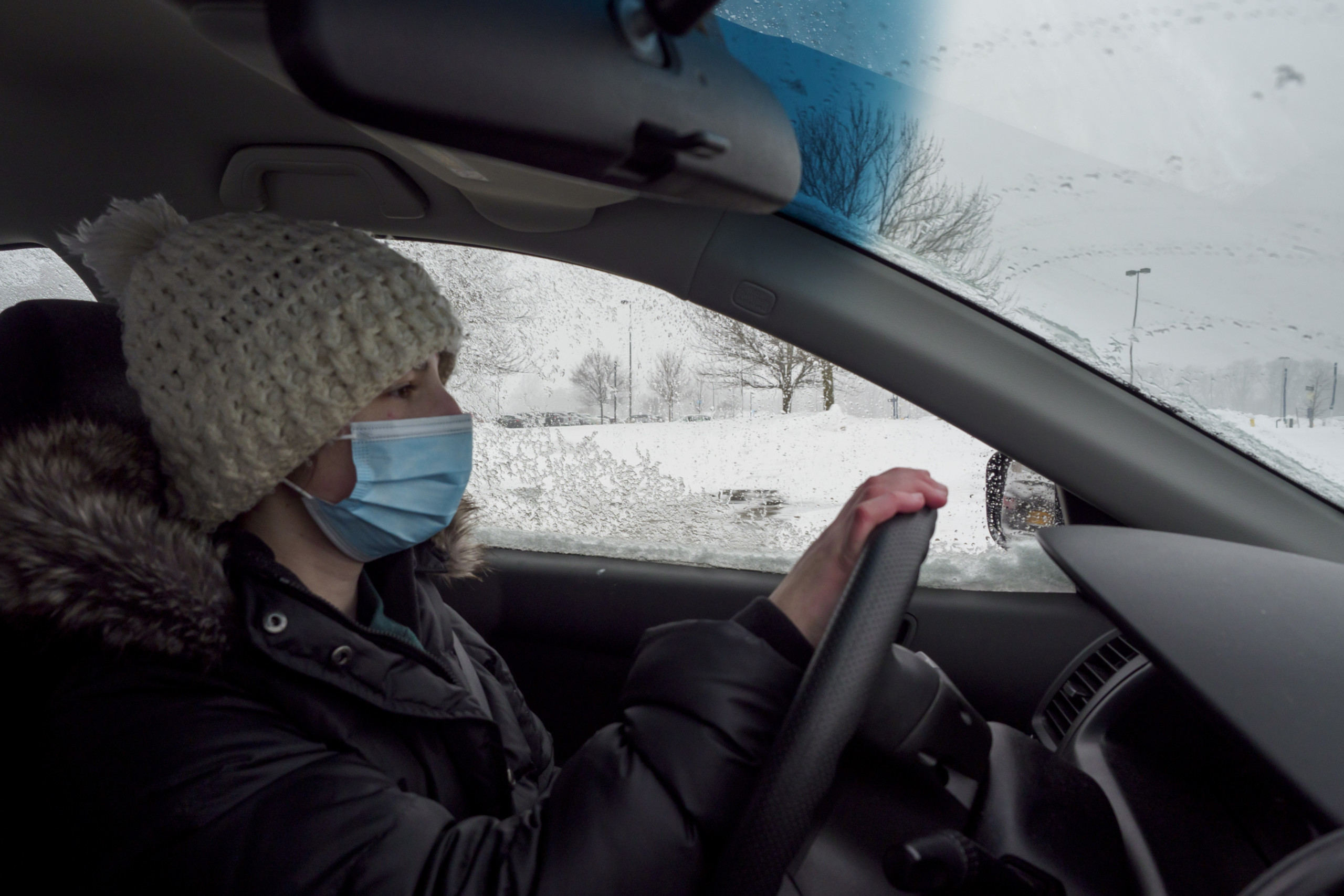
Commuting also takes up more time than I thought it would. During the weekdays, until 4 p.m., I can only park in the lot at Southside. The other main commuter lot is near the Public Safety building next to Hill Court. Neither one is convenient, but at least the Silver Line runs to the Southside lot on weekdays. I always have to leave home around 40 minutes before class starts despite technically living only 15 minutes away, which when you have early morning classes and are not a morning person, is time I wish I could spend sleeping. It’s even worse when you wake up to a foot of snow covering your car and forget to account for the time needed to scrape it all off — something I’m working on this semester. (On the plus side, all this time in the car has turned me into a podcast person, which I don’t think would have happened if I wasn’t commuting.)
In addition to good parking being incredibly limited, I still have to pay $301 a year to park in a lot that is a 15-minute walk to the Engineering Quad alone. Not what I’d call a good deal. Other costs include gas, which keeps going up, and car insurance.
Pros
While there are some costs associated with commuting, it’s nothing compared to the room and board costs, which add up to around $17,000 per year to tuition costs. This is the main reason I’ve continued commuting. It just doesn’t make financial sense to pay that much when I live a reasonable distance away.
I’ve also found living at home very convenient during the pandemic, a situation I didn’t see coming when I first made the decision. During the online year, I was able to visit campus when I really needed to, rather than choosing between staying completely at home or being stuck in a tiny dorm room. The pandemic, and commuting in general, has allowed me to spend more time with my family (including my now 12-year-old dog Denise) than I ever thought I would after graduating high school. I am also someone who really appreciates (read: requires) quiet time when trying to fall asleep, so my favorite part about living at home is the fact that the house is completely silent late at night.
If you have the opportunity to try commuting to school, I would give it a shot. Joining a lot of clubs and some of their Eboards has helped me feel more connected to campus life and has led me to most of my friends. It’s more effort than I’d imagine a traditional “college experience” would be, but I’ve found it well worth the challenges.