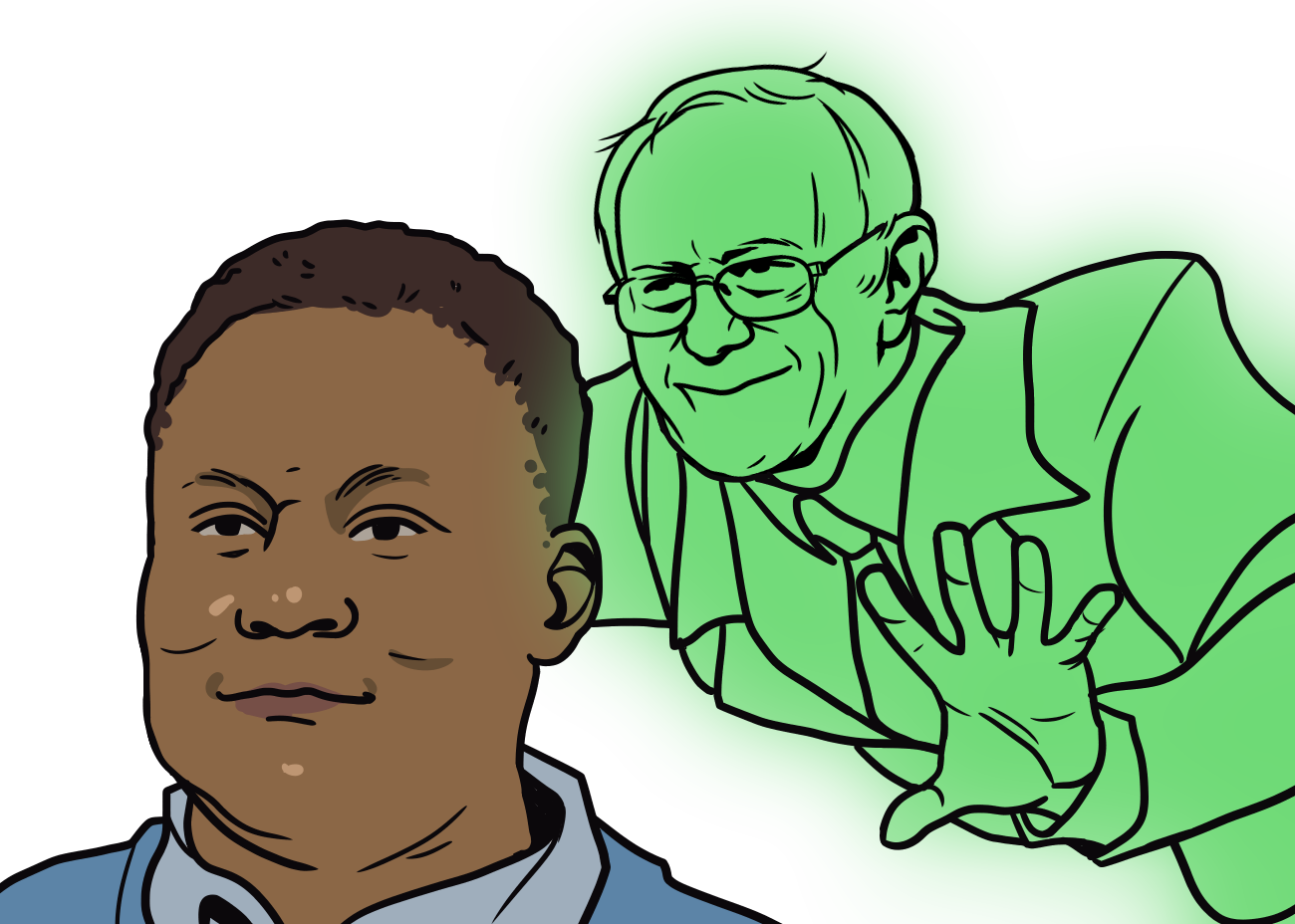
It’s 1986. Barry Sanders enrolls at Oklahoma State University.
It’s 1962. Bernie Sanders attends a rally at the University of Chicago protesting the segregation of campus housing. He is arrested.
It’s 1988. Barry has just played his third and final season at OSU. He wins the Heisman Trophy, college football’s greatest individual award, and is made a unanimous All-American.
It’s 1981. Bernie is following the Jewish tradition of leaving New York City but, probably out of contrarianism, chooses New England over Florida. He is elected Mayor of Burlington, probably because those thick rimmed glasses were so stylish in those confusing years between ‘70s leisure suits and ‘80s shoulder pads.
It’s 1981. Barry is tearing up the Wichita youth football circuit.
It’s 1989. With the third overall pick in the NFL Draft, the Detroit Lions select Barry.
It’s 1989. Bernie is in the midst of an unsuccessful run for the House of Representatives. He seems remarkably stoppable.
It’s 1991. Barry leads the NFL with 16 rushing touchdowns. He seems unstoppable. The only thing holding Barry back is the fact that he is on the Detroit Lions. Despite being named an All-Pro or second-team All-Pro in each of his 10 seasons, he will never make it past the NFC Championship game. The laws of nature say that the Lions are a sad team from a sad city with vanishing manufacturing jobs and crumbling infrastructure.
It’s 1991. Bernie wins Vermont’s at-large House seat. He runs on a platform that highlights America’s vanishing manufacturing jobs and crumbling infrastructure.
It’s 1999. Just two years after being named the NFL MVP, Barry has decided retirement is better than being the best player for the Lions. The team sues him for breaching contract and blocks him from returning with another team. The Lions management will never make such a bad decision and alienate their best player again.
It’s 2009. Bernie is now in the Senate and opposing banking deregulation, the war in Iraq, and some other shit with ridiculous acronyms.
It’s 2009. Barry is probably watching TV or something.
It’s 2016. Bernie is in the midst of a presidential campaign. On the ropes in the middle of the Democratic primaries, he notches a shocking win in Michigan that keeps his campaign alive. He does well in the rural parts of the state, but does not win Detroit.
It’s 2017. Barry has rejoined the Lions as a paid team ambassador. It is not clear what this entails, though one imagines he has lots of downtime, during which he continues to watch TV.
It’s 2017. Bernie’s primary campaign has come up short due to a variety of factors that could include anti-leftist collusion and bias on the part of the Democratic Party’s central leadership. The DNC will never make such a bad decision and alienate their best candidate again.
It’s 2020. Garth Brooks wears a Barry Sanders jersey while performing in Detroit, sparking ire from Republican fans who see this as a Bernie endorsement. Bernie’s campaign aides eye their 78-year-old candidate, who is only a few months out from a heart attack, and wonder.
It’s 2021. Soul-transfer technology becomes possible.
It’s 2024. Sanders runs for president for the third time. He is no longer an old white Jewish guy from Brooklyn, but instead a middle-aged black man from Wichita, KS. He has appeal throughout Michigan, a key swing state, as well as Oklahoma, traditionally a Republican bastion. That year’s cover of Madden features his campaign slogan, “The best of both worlds,” with an image of Sanders juking out Nancy Pelosi and Mitch McConnell. On the eve of the Michigan primary, which many pundits say will win him the Democratic nomination, Sanders tells his supporters, “As long as the Detroit Lions aren’t involved, we should win this.”