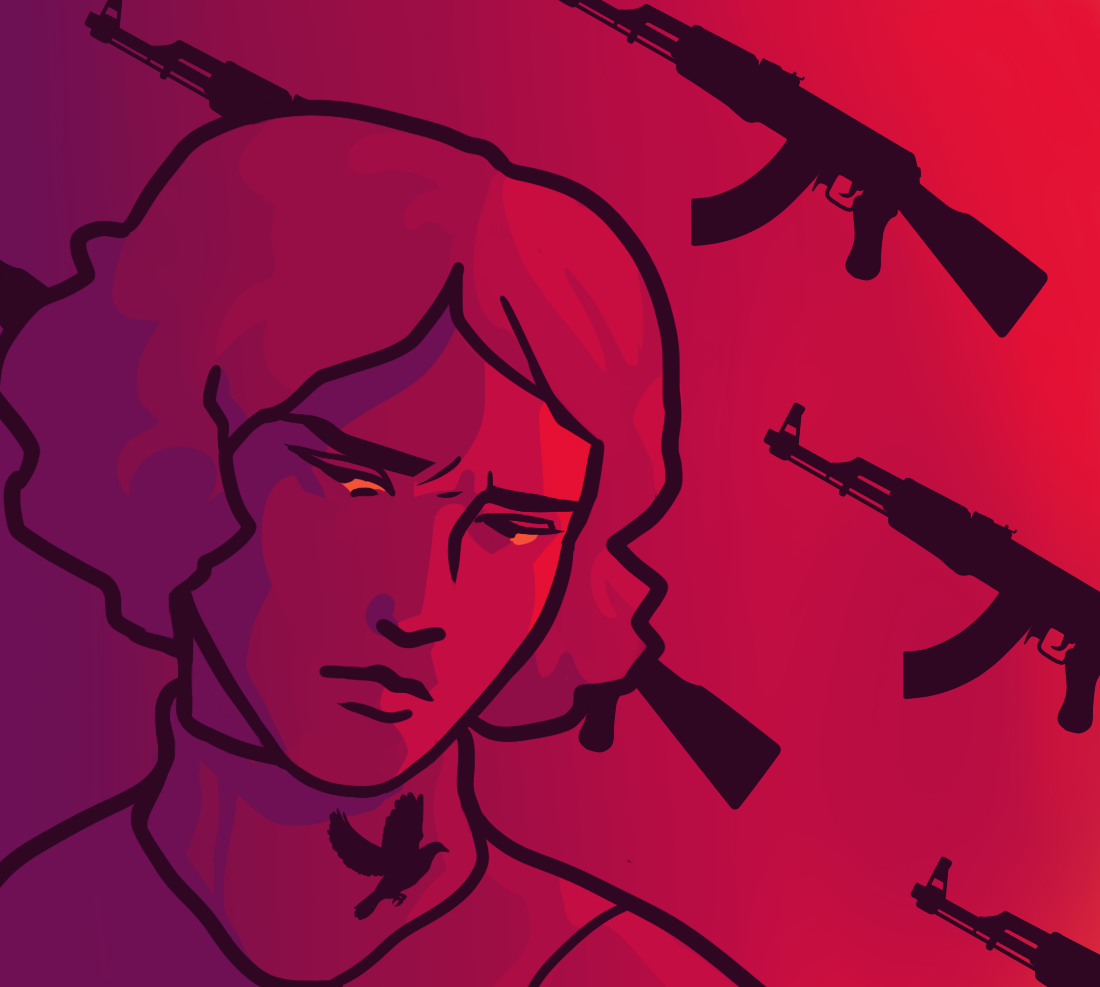
On March 24, 2018, the March For Our Lives, an international demonstration advocating for better gun control in the wake of the Marjory Stoneman Douglas High School Shooting, took place. The day of the shooting — February 14, 2018 — was one of the scariest days of my life. It will remain seared into my memory forever, but it is not my story. I went to a high school eight miles away from Marjory Stoneman Douglas, and I knew several students who went there. In the wake of this tragedy, the anxiety, guilt, and empathy I felt for my peers were tremendous and crippling. But I was not there.
Many people around the world, including myself, became extremely interested in changing the current system that allowed this massacre to occur. On March 24, students, teachers, parents, and citizens of the world united in response. But one year later, it seems as if every one of those people moved on with their lives, forgetting it ever happened.
Currently living in Rochester — far from South Florida, where this horrific event took place — it feels even more distant. It seems as if people do not remember how terrible this incident was. Even as gun-reform advocates still push forward, and the movement is ongoing, this type of violence has become normalized within American society.
This reveals a larger issue about the country as a whole. This level of desensitization to the repeated loss of life is not apparent only when it comes to school shootings. Police brutality against people of color, violence against LGBTQ people, anti-Semitic and Islamophobic attacks are similarly forgotten. It is not that people do not care at all, it is that they do not care enough to remember. We must do more to remember the people we’ve lost to hate and continue to fight for what we believe in. It is not fair to the victims, not fair to us, and not fair to the future to let this violence persist within our society.