Courtesy of http://www.theblackforestcafe.com/
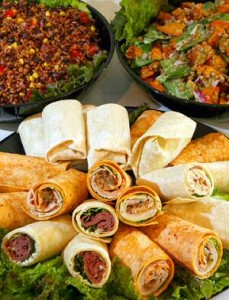
With the changes to the Danforth and Douglass dining centers this semester, as well as alterations to student meal plans, students who depend on fast options for meals now have fewer to-go dining options. In Douglass Dining Center — where one needs to pay to get into the actual dining area itself — many of the former stations that helped lessen traffic flow from The Commons by providing quick, packaged or nutritious options no longer exist. For those who actually want to sit down for a meal, inaccurate information on the UR dining website and the absence of menus posted outside dining centers makes students run the risk of not liking anything offered when they get into a dining center. In the case of students who are vegan, vegetarian or have other dietary requirements, this is especially troublesome because they may not be able to eat anything once in the dining center and have to further deplete their balance by finding more suitable options elsewhere.
Although UR Dining encourages students to visit their website to ameliorate the issue of not knowing what is in the dining center before paying to enter, inaccurate or absent information is very problematic for students who have commuter or declining-only meal plans. In addition, students without mobile Internet ability — such as wireless-capable phones, laptops, etc. — or without time to check menus between classes (when most students seek out their meals) are then left without the ability to make dining choices without the risk of wasting money. UR Dining puts responsibility in the hands of students to get the options they want, but it is not necessarily the responsibility of students to pursue corrections of misinformation from the administration they depend on.
Overall, while the UR Dining page is not always incorrect or inaccurate, the lack of menus or consistent information is an inconvenience to students and can be detrimental to adequately budgeting one’s meal plan for the semester.