There is something wrong with the very concept of intellectual property. To believe in the idea of intellectual property is to mistake the nature of information. Information, unlike physical material, has the ability to be reproduced ad infinitum at no cost. The only costs incurred by sharing so-called intellectual property is a loss of projected compensation for those who “own” the rights to said information. And, though there should still be credit preservation and some form of compensation for the creators of this information, the current model leaves far too much room for abuse within the system. Unfortunately, it seems that the law will continue to insist on a proprietary model for the forseeable future, and while that may be regrettable, it does not mean that there are no options.If you are a writer, artist or creator of anything that can be copyrighted, place your work in the Creative Commons. What does that mean? Well, there are basically three options you have as the creator. The first is to reserve all rights – this is the default for any created works. This is what it means to have a standard copyright, and the copyright comes into existence with the work itself – you don’t have to do anything to get it. The second option is to place your work in the public domain, which means that you relinquish all rights. However, once you do that, someone else could take your work, modify it, make money off of it, and not even credit you. That’s when the third option comes in. A Creative Commons license means “some rights reserved,” and you get to determine what those rights are.Your basic options are to require attribution or not, to allow commercial uses or not, and to allow modifications or not. By marking your works with the appropriate license, you can customize exactly how you want your works used. If you want, you can create a license where people are able to use your work non-commercially, as long as you are attributed, but require permission if they intend to use it in a circumstance where they could make money. This isn’t a perfect solution to the problem of copyrights, but it is the best compromise currently available.The problem is this – information ought to be free to use and exchange, so that it can benefit the most people. But talent and creativity ought to be honored and rewarded.The current system does little to honor the actual creators, and even less to inspire new creativity. It allows people to maintain their copyright dominance for long past a reasonable period, and, as a result, fails to support the most crucial element of compensation for information – motivation to generate novel works.Powell can be reached at lpowell@campustimes.org.

Cafe
Unleash the information
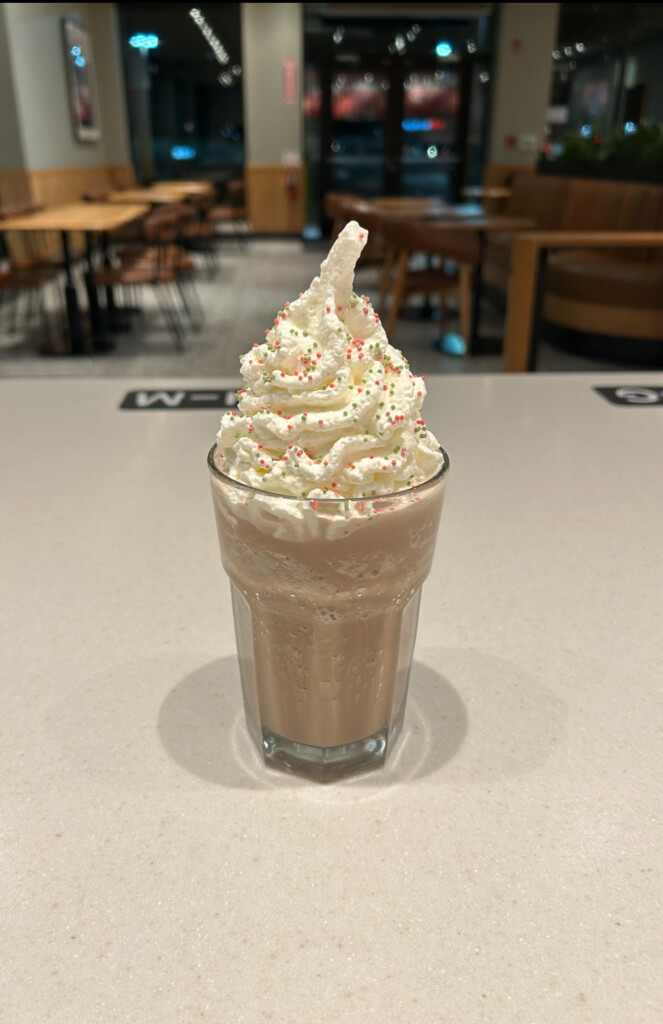
Tired of the same old drink? Try some barista approved new recipes that are unofficially on the menu. Read More
competition
Unleash the information
This was the seventh straight win for the women’s swim and dive team, and an overall win for the Yellowjackets. Read More
Christmas
Unleash the information
Perhaps if this movie had good music or better dialogue it would be slightly enjoyable, but the real culprit was the exceedingly cliche plot lines, uninspired characters, and the overwhelming lack of Christmas authenticity. Read More