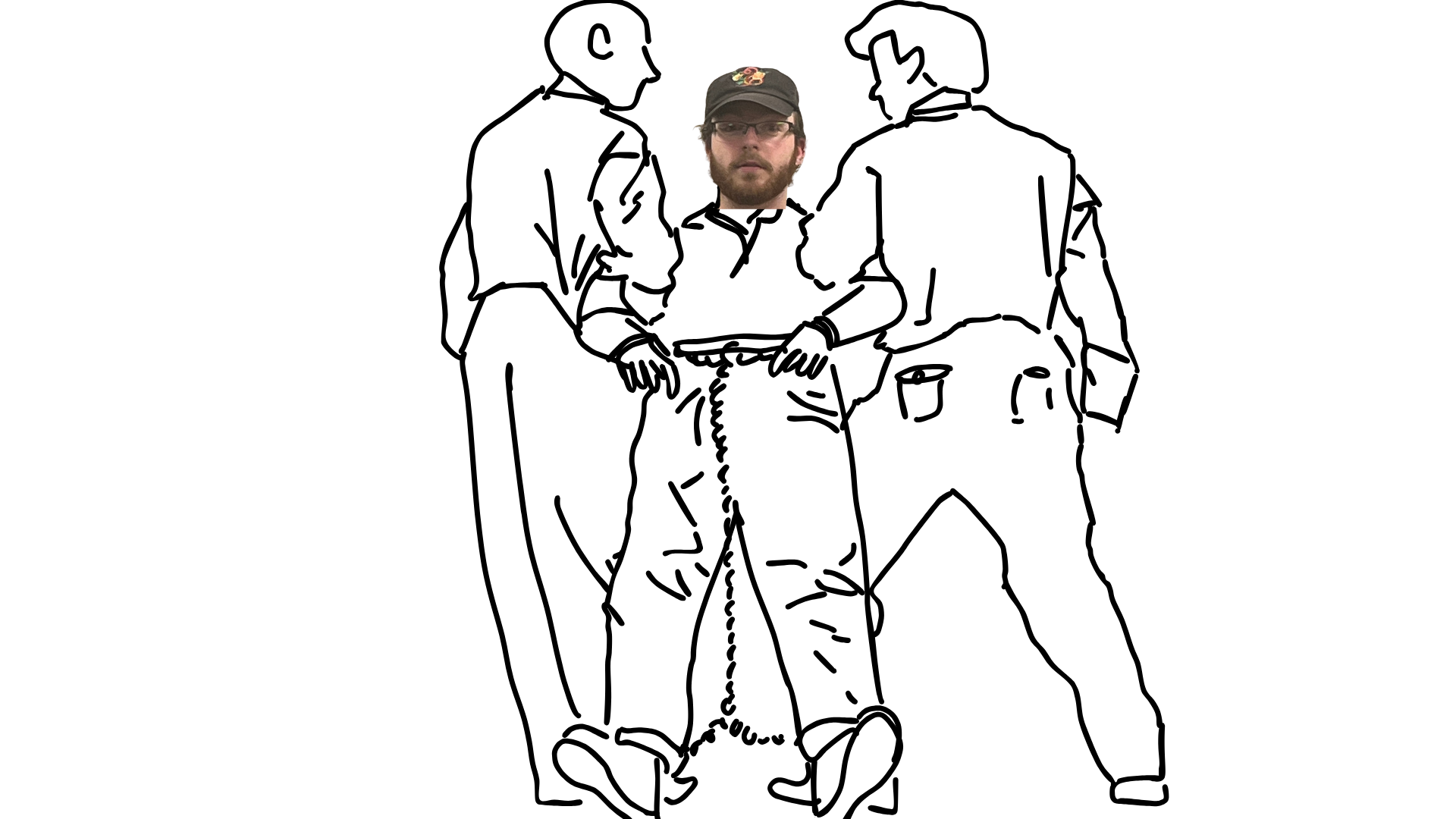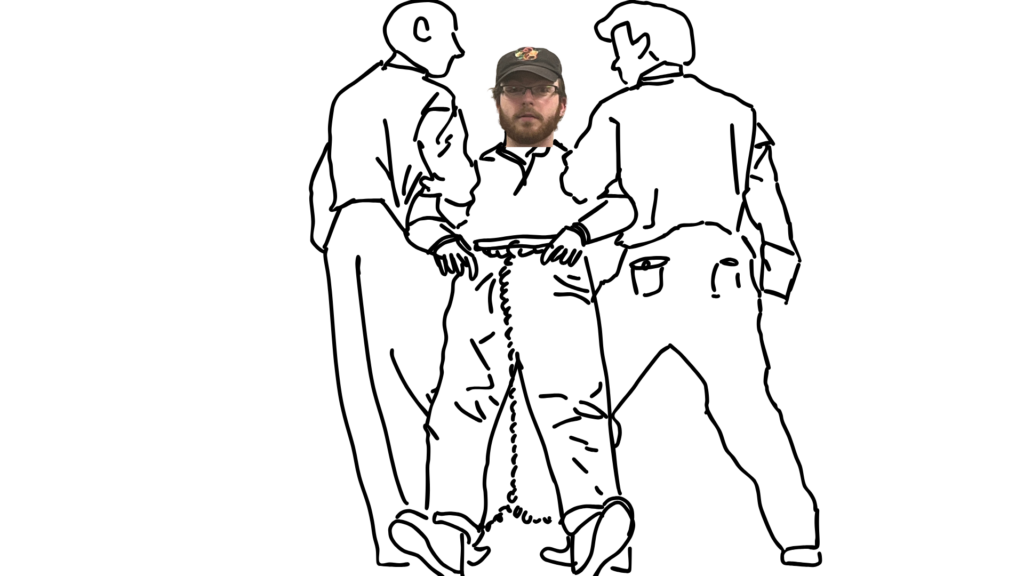
It is our great misfortune to report on the arrest and deportation of our Opinions Editor, Frankie Brereton. U.S. Immigration and Customs Enforcement (ICE) arrived at URochester’s River Campus with several officers to arrest the English exchange student Friday morning, saying that they had caught wind of an organised plot by members of the international student community to overthrow University President Sarah Mangelsdorf and place themselves as the ruling administration of the University.
They apprehended our editor whilst he was walking to his creative writing class and simultaneously playing Pokémon Go. Witnesses heard Brereton ask the agents to wait for a minute so that he could “catch this shiny.” The ICE agents did not oblige, and shouts of “wanker” and “bollocks” could be heard from Brereton as they bundled him into the van that was illegally parked in the bus area behind Rush Rhees Library. This caused no delays as the buses are never on time anyway.
Our investigators gained access to Brereton’s room in the building he calls “The Fuckass Tower,” but is generally referred to as Anderson Tower, and found some papers that may have been handwritten plans to infiltrate the Nipple of Knowledge and turn it into the hub of a rebellion. However, his handwriting was so atrocious that it might also have been a shopping list for an upcoming Wegmans trip. Our translators are getting a sense that these papers are either in code or largely concerning the bakery section and the neighbouring liquor store.
Recent reports from our reconnaissance squads that followed the van to the airport told us of the bizarre coincidence of the deportation flight’s designator code being the same as a flight that typically terminates in San Francisco, CA.
ICE agents that looked remarkably like former Opinions Editors E. Nanik and Shren Y. escorted Brereton aboard, free of shackles and apparently in fine fettle. Brereton’s Instagram is also still active and showing Brereton, Nanik, and Shren on the Golden Gate Bridge at time of writing; we think a hacker has taken ahold of the account and uploaded doctored images. The plane has yet to touch down in the U.K. We are investigating airports in Venezuela and El Salvador to watch for potential new detainees matching Bereton’s physical description.
As we investigate, other potential co-conspirators in Brereton’s written communications are coming to light, and we advise any other individuals who may have been involved with Brereton to maintain a low profile. However, this may not be necessary if you hold any kind of federally-appointed position or have enough money to pay off court officials. If this is the case, we advise you to simply sit tight and avoid the spotlight. For help with this, please see our advice column, “How To Start A War.” Our column “How To Break A Campaign Promise” may also be of use to individuals considering this line of action.
Our Opinions section will be suspended for the foreseeable future until a competent replacement who is willing to stay in the office until 3:34 a.m. every Sunday can be found.